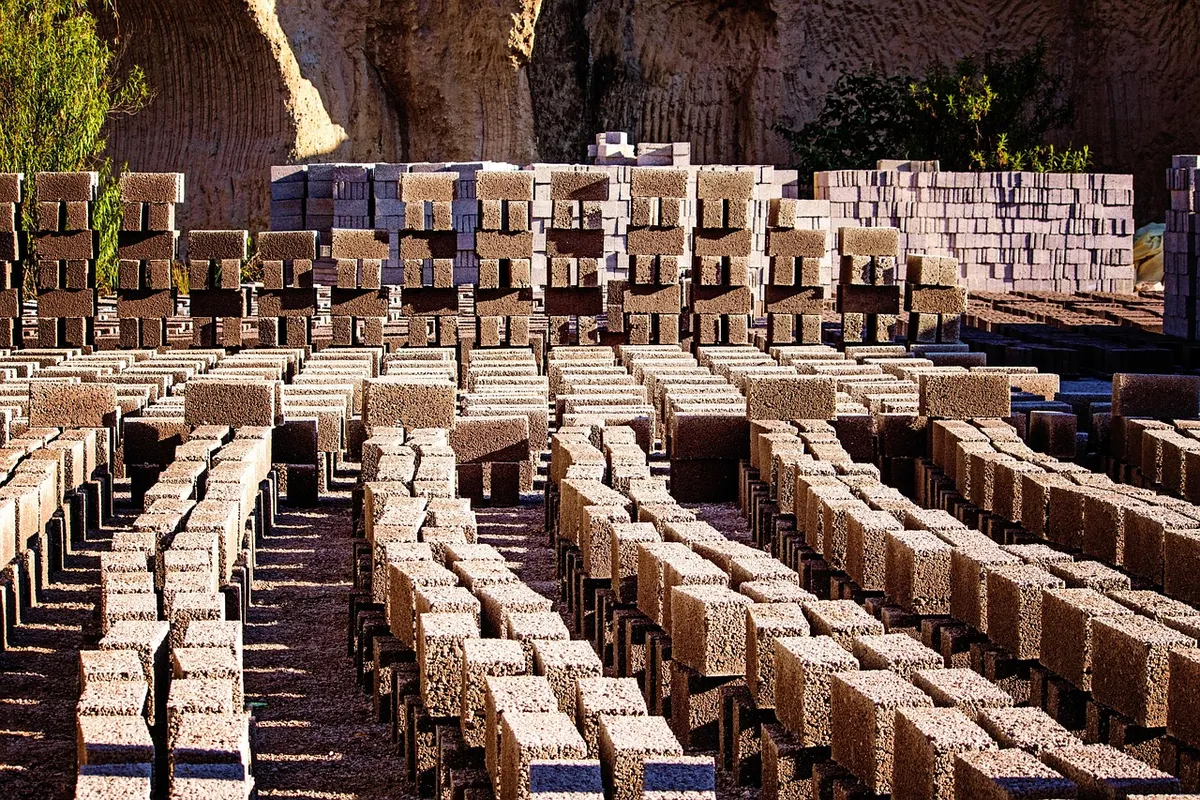
Local masonry supply yard
Run a small yard selling bricks, blocks, cement and stone to local builders and homeowners.
- £25k-100k
- Full-time
- Own premises
Estimates for a small start in the UK, not guarantees.
Official data
3,482 UK companies in this field, 22% registered in the last 2 years
SIC 47520 “Retail sale of hardware, paints and glass in specialised stores”. Source: Companies House, November 2026.
What it is
A small trade and retail yard stocking bricks, blocks, cement, sand, lintels and stone, with collection or local delivery. You focus on the masonry products local builders need on short notice.
Your first three steps
- Visit local builders and bricklayers to find out what they buy, what they struggle to get and what they pay now
- Open trade accounts with a few manufacturers and wholesalers and get their minimum order and delivery terms in writing
- Find a yard or unit with space for pallets and vehicle access, and check use class, lease terms and business rates with the council
Who pays
Local builders and bricklayers, landscapers, small developers and homeowners doing extensions, walls and patios.
How it makes money
You buy in bulk from manufacturers and wholesalers and sell at a mark-up. Delivery charges, trade accounts and repeat builders bring steady sales.
Skills that help
- Knowing building materials and quantities
- Customer service and sales
- Stock control and ordering
- Safe handling of heavy goods
Watch out for
- Planning permission and permitted use of the site, check with your local council
- Public liability, stock and employer's liability insurance once you hire staff
- Forklift or telehandler training and safe pallet handling
- Rules for delivery vehicles and driver hours, check whether you need an HGV licence for what you plan to drive
- Cement and silica dust safety (COSHH), plus how to store and label materials
- Cash flow risk: you pay for stock upfront while builders may expect credit, so consider credit checks or credit insurance
Deep research report · UK
Everything you need to start: local masonry supply yard
Researched with live web search for United Kingdom: real startup prices, the licences and rules, what others charge, a break-even example, how to find your first customers and a 30-day launch plan. With sources.
- Startup costs with real prices
- Licences, registration and rules
- Pricing: what others charge
- Break-even example
- Finding your first customers
- 30-day launch plan
- Risks and how to reduce them
Questions people ask
How much does it cost to start a masonry supply yard?
Startup costs are typically around £25,000 to £100,000, depending on the site, opening stock, equipment and delivery vehicle. These are estimates, and stock is paid for upfront, so plan your cash flow carefully.
How much can a small masonry yard earn?
Monthly revenue is typically around £10,000 to £50,000, depending on your stock range, location and how many trade customers you win. Builders may expect credit while you pay suppliers upfront, so check payment terms.
What rules apply to running a masonry supply yard?
Check planning permission and permitted use of the site with your local council. Also check insurance, forklift or telehandler training, whether you need an HGV licence for your delivery vehicles, and COSHH rules on cement and silica dust.
Other ways to run this business
Similar retail ideas
Local tool and equipment hire shop
Run a small unit hiring and selling power tools and site equipment to trades and homeowners.
- £25k-100k
- Full-time
- Own premises

Small surgical supplies distributor with a stockroom
Hold stock in a small unit and supply clinics and hospitals with surgical products on quick, reliable delivery.
- £25k-100k
- Full-time
- Own premises

Small local pawnbroker shop
Lend short-term cash against jewellery and watches, and sell unredeemed items from a small shop.
- £25k-100k
- Full-time
- Own premises

Local electrical supplies shop and trade counter
Open a small shop or counter stocking everyday electrical items for local electricians, builders and homeowners.
- £25k-100k
- Full-time
- Own premises
Local dive shop with a small unit
Open a small dive shop near the coast, a lake or a training pool, selling kit and advice to local divers.
- £25k-100k
- Full-time
- Own premises
Neighbourhood Chinese grocery shop
Open a small shop selling Chinese groceries, fresh produce and household goods to your local community.
- £25k-90k
- Full-time
- Own premises
Photo: DomPixabay on Pixabay