Local electrical supplies shop and trade counter
Open a small shop or counter stocking everyday electrical items for local electricians, builders and homeowners.

- £25k-100k
- Full-time
- Own premises
Estimates for a small start in the UK, not guarantees.
Official data
3,400 UK companies in this field, 30% registered in the last 2 years
SIC 47540 “Retail sale of electrical household appliances in specialised stores”. Source: Companies House, November 2026.
What it is
A small shop or trade counter in a unit or high street premises stocking the items tradespeople need in a hurry: cable, fittings, lighting, fuses, consumer units and tools. You win on convenience, stock availability and local knowledge.
Your first three steps
- Visit local electricians and builders to find out what they buy and where they struggle to get it
- Apply for trade accounts with wholesalers or a buying group and get price lists and credit terms
- Price up units or small shops nearby and work out the monthly break-even before you sign anything
Who pays
Local electricians, builders, maintenance teams, landlords and homeowners who want advice and same-day supplies.
How it makes money
Margin on goods sold, with trade accounts and repeat customers making up much of the income. Adding delivery to local sites can bring in more orders.
Skills that help
- Knowledge of electrical products and trade needs
- Selling and building trade relationships
- Stock buying and cash flow management
- Customer service across the counter
Watch out for
- Lease terms, business rates and planning use class for the premises: check with the landlord and your council
- Money tied up in stock, plus the risk of slow-moving lines
- Product safety and marking rules (UKCA or CE, as applicable) and WEEE and battery obligations
- Public liability, product liability and stock and contents insurance; employer's liability once you hire
- Competition from large wholesalers and online sellers, so plan how you will stand out
- Offering credit to trade customers risks late or unpaid invoices
Deep research report · UK
Everything you need to start: local electrical supplies shop and trade counter
Researched with live web search for United Kingdom: real startup prices, the licences and rules, what others charge, a break-even example, how to find your first customers and a 30-day launch plan. With sources.
- Startup costs with real prices
- Licences, registration and rules
- Pricing: what others charge
- Break-even example
- Finding your first customers
- 30-day launch plan
- Risks and how to reduce them
Questions people ask
How much does it cost to open an electrical trade counter?
Startup costs are typically around £25,000 to £100,000, depending on the premises, lease deposit and opening stock. Monthly revenue is estimated at around £10,000 to £45,000, depending on your trade accounts and local demand.
What should I check before opening an electrical supplies shop?
Check lease terms, business rates and the planning use class of the premises with the landlord and your council. Also check product safety and marking rules (UKCA or CE, as applicable) and WEEE and battery obligations.
What are the main risks of running an electrical trade counter?
Money tied up in stock, slow-moving lines, competition from large wholesalers and online sellers, and late or unpaid invoices if you offer credit to trade customers are all worth planning for before you open.
Other ways to run this business
Similar retail ideas
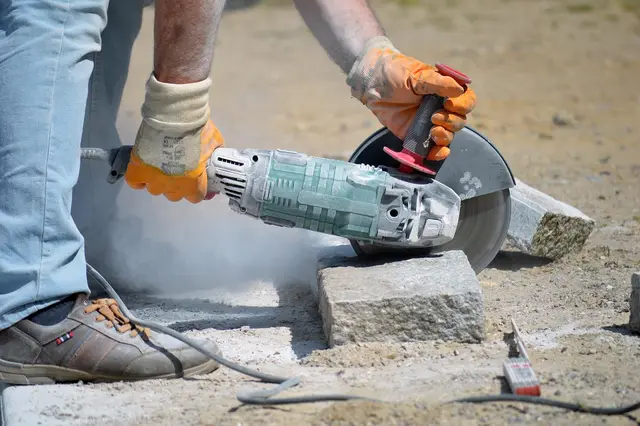
Local tool and equipment hire shop
Run a small unit hiring and selling power tools and site equipment to trades and homeowners.
- £25k-100k
- Full-time
- Own premises
Small surgical supplies distributor with a stockroom
Hold stock in a small unit and supply clinics and hospitals with surgical products on quick, reliable delivery.
- £25k-100k
- Full-time
- Own premises

Small local pawnbroker shop
Lend short-term cash against jewellery and watches, and sell unredeemed items from a small shop.
- £25k-100k
- Full-time
- Own premises

Local masonry supply yard
Run a small yard selling bricks, blocks, cement and stone to local builders and homeowners.
- £25k-100k
- Full-time
- Own premises

Local dive shop with a small unit
Open a small dive shop near the coast, a lake or a training pool, selling kit and advice to local divers.
- £25k-100k
- Full-time
- Own premises
Neighbourhood Chinese grocery shop
Open a small shop selling Chinese groceries, fresh produce and household goods to your local community.
- £25k-90k
- Full-time
- Own premises