How to open a small local pawnbroker shop in the UK
Lend short-term cash against jewellery and watches, and sell unredeemed items from a small shop.

- £25k-100k
- Full-time
- Own premises
- Licence or permit needed
Estimates for a small start in the UK, not guarantees.
Official data
2,149 UK companies in this field, 19% registered in the last 2 years
SIC 64929 “Other credit granting n.e.c.”. Source: Companies House, November 2026.
What it is
A small regulated shop that lends money against items such as jewellery, watches and tools. The customer gets the item back when they repay the loan plus interest. If they don't, you can sell it under the pawn rules.
Your first three steps
- Work through the FCA's authorisation process for consumer credit, and check what the pawnbroking rules mean for your paperwork
- Learn valuation, for example through a gemmology or jewellery valuation course, or by working in an existing pawn shop or jeweller
- Price up a small shop with a safe, CCTV and an alarm, and work out how much lending capital you can put aside
Who pays
Borrowers pay interest and fees to get their items back. Bargain hunters, collectors and jewellery buyers pay for unredeemed items.
How it makes money
Interest and fees on pawn loans, plus the margin when unredeemed goods are sold. Some shops also buy and sell second-hand items outright.
Skills that help
- Valuing jewellery, watches and other goods
- Careful record keeping
- Fair, calm dealing with customers
- Spotting fraud or stolen goods
Watch out for
- Authorisation from the Financial Conduct Authority is likely to be needed to lend, and approval can take months, so check what applies to you
- Pawn agreements have specific legal requirements, such as the paperwork you give customers and how long they have to redeem. Take proper advice on these
- Check whether you need anti-money laundering registration and ID checks
- Stolen goods risk: keep clear records, check ID, and work with your local police
- Valuation mistakes can cost you real money, especially with gold, gemstones and branded watches
- Insurance for stock, cash and public liability, plus a good safe and security, as shops holding valuables can be targeted
- Your money is tied up in loans and stock, so keep enough cash in reserve
Deep research report · UK
Everything you need to start: small local pawnbroker shop
Researched with live web search for United Kingdom: real startup prices, the licences and rules, what others charge, a break-even example, how to find your first customers and a 30-day launch plan. With sources.
- Startup costs with real prices
- Licences, registration and rules
- Pricing: what others charge
- Break-even example
- Finding your first customers
- 30-day launch plan
- Risks and how to reduce them
Questions people ask
How much does it cost to open a pawnbroker shop in the UK?
Startup costs are typically around £25,000 to £100,000, depending on the premises, security, and how much cash you set aside for loans and stock. These are estimates, and your money will be tied up in loans, so keep reserves.
Do you need authorisation to run a pawnbroker shop?
Authorisation from the Financial Conduct Authority is likely to be needed to lend, and approval can take months, so check what applies to you. Also check the legal requirements for pawn agreements, and whether anti-money laundering registration and ID checks apply.
How much can a small pawnbroker shop make?
Monthly revenue is typically around £4,000 to £18,000, depending on your loan book, location and how well you sell unredeemed items. Valuation mistakes with gold, gemstones or branded watches can cost real money, so treat this as an estimate.
Similar retail ideas
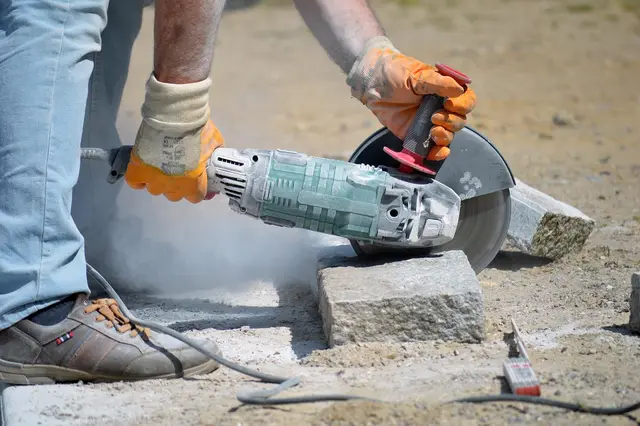
Local tool and equipment hire shop
Run a small unit hiring and selling power tools and site equipment to trades and homeowners.
- £25k-100k
- Full-time
- Own premises
Small surgical supplies distributor with a stockroom
Hold stock in a small unit and supply clinics and hospitals with surgical products on quick, reliable delivery.
- £25k-100k
- Full-time
- Own premises

Local electrical supplies shop and trade counter
Open a small shop or counter stocking everyday electrical items for local electricians, builders and homeowners.
- £25k-100k
- Full-time
- Own premises
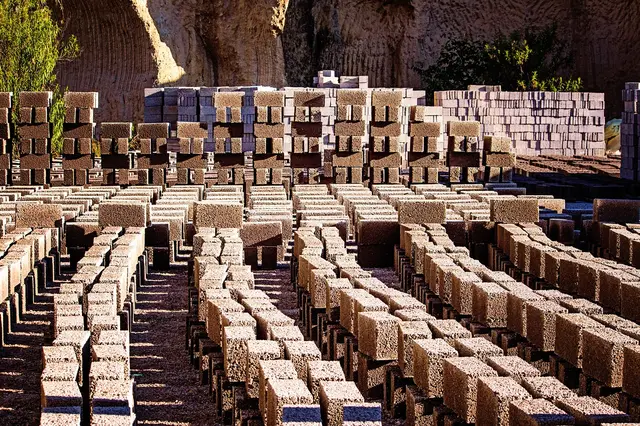
Local masonry supply yard
Run a small yard selling bricks, blocks, cement and stone to local builders and homeowners.
- £25k-100k
- Full-time
- Own premises

Local dive shop with a small unit
Open a small dive shop near the coast, a lake or a training pool, selling kit and advice to local divers.
- £25k-100k
- Full-time
- Own premises
Neighbourhood Chinese grocery shop
Open a small shop selling Chinese groceries, fresh produce and household goods to your local community.
- £25k-90k
- Full-time
- Own premises