PAT testing for landlords and letting agents
Test appliances in rental properties on repeat for letting agents and landlords with several homes.

- £600-2.5k
- Part-time
- Out and about
Estimates for a small start in the UK, not guarantees.
Official data
44 active UK companies have “pat testing” in their name, 45% registered since 2024
Name search “company names containing “pat testing””. Source: Companies House, November 2026.
What it is
PAT testing focused on rental properties and HMOs, often combined with tenancy changeovers. You work for agents and landlords with several properties, and keep clear certificates and records for each address.
Your first three steps
- Complete a recognised PAT testing course and buy a tester and record software
- Put together a simple per-property price list and a sample certificate
- Introduce yourself to local letting agents and offer a trial property at a fair price
Who pays
Letting agents, landlords with several properties, student lettings companies and HMO owners.
How it makes money
Fixed price per property or per item, agreed in bulk with agents, with repeat work as tenancies change.
Skills that help
- Reliable and punctual
- Organised record keeping
- Building relationships with agents
- Basic electrical understanding
Watch out for
- Public liability insurance and, if relevant, professional indemnity cover
- Landlord electrical rules differ across England, Scotland, Wales and Northern Ireland, so check what applies and do not promise more than PAT testing covers
- Fixed electrical installation checks are a separate job for a qualified electrician
- Agents may push for low prices, so work out your travel time and costs first
Deep research report · UK
Everything you need to start: pAT testing for landlords and letting agents
Researched with live web search for United Kingdom: real startup prices, the licences and rules, what others charge, a break-even example, how to find your first customers and a 30-day launch plan. With sources.
- Startup costs with real prices
- Licences, registration and rules
- Pricing: what others charge
- Break-even example
- Finding your first customers
- 30-day launch plan
- Risks and how to reduce them
Other ways to run this business

Similar trades ideas

Self-employed bricklayer for builders
Lay bricks and blocks as a subcontractor for local builders and developers, paid by the day or by the thousand.
- £500-2.5k
- Full-time
- Out and about

Home leather repair workshop
Repair bags, jackets and shoes from a spare room or garage, with customers posting or dropping items off.
- £500-2.5k
- Side hustle
- From home
Subcontract soil sampling technician
Take soil samples and log ground conditions on site for engineers and consultants, paid by the day or job.
- £500-2.5k
- Side hustle
- Out and about
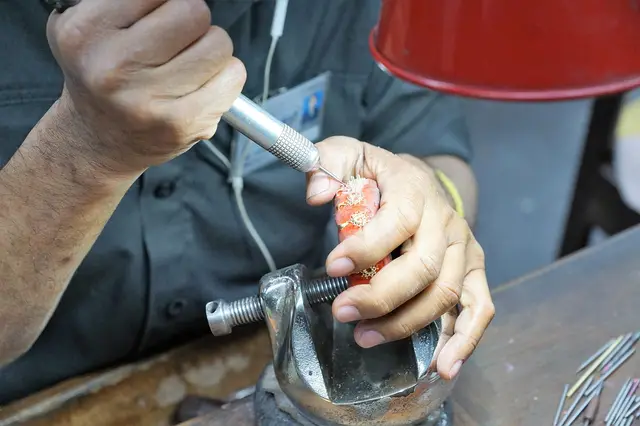
Home jewellery engraving studio
Engrave names, dates and messages onto rings, pendants and keepsakes from a small workspace at home.
- £300-2.5k
- Side hustle
- From home

Home luggage and bag repair
Fix zips, wheels, handles and linings on suitcases and bags from a workbench at home, taking work by post or drop-off.
- £500-2.5k
- Side hustle
- From home

Building materials sales agent
Take orders for cement and building materials from local trades and arrange delivery from a supplier.
- £500-2.5k
- Side hustle
- From home