Mobile PAT testing for local businesses
Visit small businesses, schools and landlords to test portable appliances and give them a certificate.
- £500-2k
- Side hustle
- Out and about
Estimates for a small start in the UK, not guarantees.
Official data
44 active UK companies have “pat testing” in their name, 45% registered since 2024
Name search “company names containing “pat testing””. Source: Companies House, November 2026.
What it is
Visiting premises with a PAT tester to inspect and test portable electrical appliances such as kettles, lamps, laptops chargers and extension leads. Each item is labelled, and the client gets a record of the results.
Your first three steps
- Take a PAT testing course from a recognised training provider and check what level of electrical knowledge you need
- Buy a PAT tester, labels and record-keeping software, then arrange insurance
- Contact local landlords, letting agents and small businesses with a simple price per item and minimum visit charge
Who pays
Small offices, shops, salons, pubs, schools, village halls, landlords and letting agents.
How it makes money
Price per item tested, often with a minimum call-out charge, plus repeat annual or two-yearly visits from clients who want to keep records up to date.
Skills that help
- Careful and methodical
- Basic electrical understanding
- Clear record keeping
- Friendly customer service
Watch out for
- Public liability and professional indemnity insurance, check what your insurer expects
- PAT testing is not usually a legal requirement in itself, so be clear and honest with clients about what they actually need
- Keep your tester calibrated and records accurate, and know when to refer faulty items or wiring to a qualified electrician
- Work only within your training and competence
Deep research report · UK
Everything you need to start: mobile PAT testing for local businesses
Researched with live web search for United Kingdom: real startup prices, the licences and rules, what others charge, a break-even example, how to find your first customers and a 30-day launch plan. With sources.
- Startup costs with real prices
- Licences, registration and rules
- Pricing: what others charge
- Break-even example
- Finding your first customers
- 30-day launch plan
- Risks and how to reduce them
Other ways to run this business
Similar trades ideas
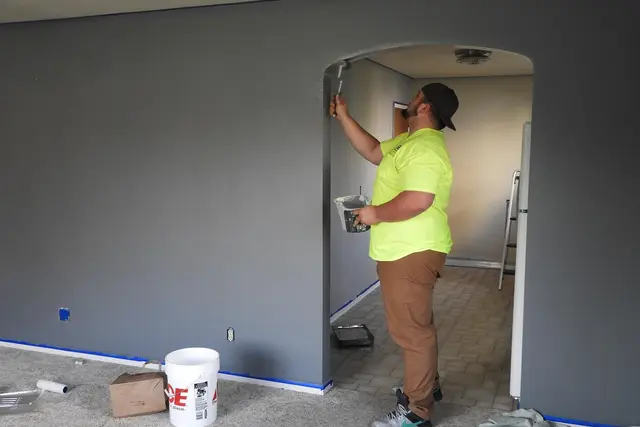
Home painter and decorator
Paint and decorate rooms, hallways and woodwork in local homes, working on your own.
- £400-2k
- Side hustle
- Out and about

Self-employed bricklayer for builders
Lay bricks and blocks as a subcontractor for local builders and developers, paid by the day or by the thousand.
- £500-2.5k
- Full-time
- Out and about
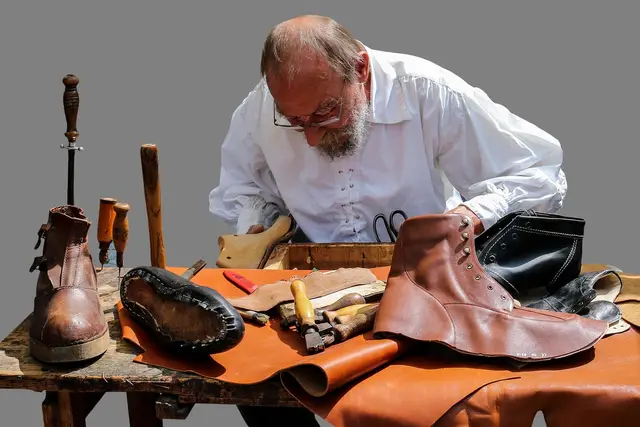
Home leather repair workshop
Repair bags, jackets and shoes from a spare room or garage, with customers posting or dropping items off.
- £500-2.5k
- Side hustle
- From home
Subcontract soil sampling technician
Take soil samples and log ground conditions on site for engineers and consultants, paid by the day or job.
- £500-2.5k
- Side hustle
- Out and about
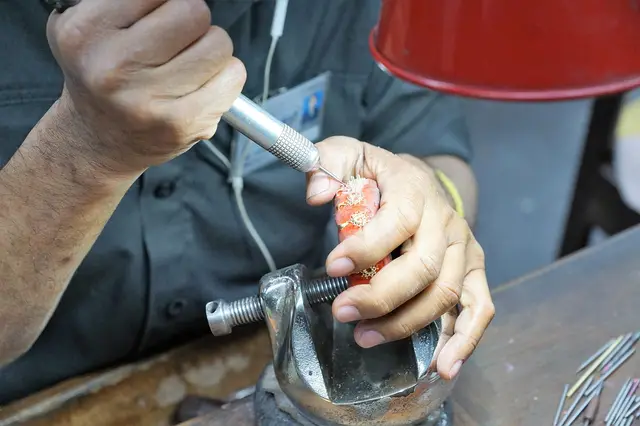
Home jewellery engraving studio
Engrave names, dates and messages onto rings, pendants and keepsakes from a small workspace at home.
- £300-2.5k
- Side hustle
- From home
Wallpaper hanger for local homes
Hang wallpaper in people's homes, from simple feature walls to full rooms, charging for your labour.
- £300-1.5k
- Side hustle
- Out and about