Second-Hand shop on the high street
Open a small shop selling pre-loved furniture, clothes, books or homeware to local shoppers.
- £5k-25k
- Full-time
- Own premises
Estimates for a small start in the UK, not guarantees.
What it is
A small shop selling used goods to walk-in customers. You buy or take in stock from the public, clear it, price it and run the shop floor.
Your first three steps
- Research local rents and footfall, and look at what nearby second-hand shops already stock
- Line up a first supply of stock from house clearances, auctions and local sellers
- Check lease terms, business rates relief and insurance before you sign for a unit
Who pays
Local shoppers, students, young families and collectors looking for affordable or unusual items.
How it makes money
You sell stock at a margin above what you paid. Some shops also take items on commission, which means you only pay the owner when it sells.
Skills that help
- Pricing used goods fairly
- Buying stock and negotiating
- Customer service and shop display
Watch out for
- Public liability and stock insurance, and employer's liability once you hire
- Business rates and lease terms, check what you would pay and any reliefs available
- Rules on second-hand electricals, upholstered furniture and children's goods, check with Trading Standards
- Some councils expect second-hand dealers to follow record-keeping rules for certain goods, such as precious metals, so check locally
- Rent and opening hours are fixed costs even in quiet months
Deep research report · UK
Everything you need to start: second-hand shop on the high street
Researched with live web search for United Kingdom: real startup prices, the licences and rules, what others charge, a break-even example, how to find your first customers and a 30-day launch plan. With sources.
- Startup costs with real prices
- Licences, registration and rules
- Pricing: what others charge
- Break-even example
- Finding your first customers
- 30-day launch plan
- Risks and how to reduce them
Questions people ask
How much does it cost to open a second-hand shop in the UK?
Startup costs are typically around £5,000 to £25,000, depending on the premises, deposit, fit-out and how much opening stock you buy. Treat this as an estimate and check rent and rates for your area.
How much can a second-hand shop earn?
Monthly revenue is typically around £2,000 to £10,000, depending on location, stock and pricing. Rent and opening hours are fixed costs even in quiet months. Plan for around 35 hours a week.
What rules should I check before opening a second-hand shop?
Check public liability and stock insurance, business rates and any reliefs, and lease terms. Also check rules on second-hand electricals, upholstered furniture and children's goods with Trading Standards, and whether your council expects record-keeping for goods such as precious metals.
Other ways to run this business
Similar retail ideas
Second-hand bookshop on the high street
Open a small shop selling pre-owned books and buying stock from local people.
- £5k-25k
- Full-time
- Own premises
Used and refurbished bakery equipment
Buy, refurbish and sell or hire second-hand ovens and mixers to bakeries on a tighter budget.
- £5k-25k
- Part-time
- Own premises

Consignment shop on your high street
Rent a small shop and sell other people's quality second-hand items, keeping a share of each sale.
- £5k-25k
- Full-time
- Own premises

Flag shop with a small unit
Open a local shop for flags, poles and bunting, serving walk-in and business customers.
- £5k-25k
- Full-time
- Own premises
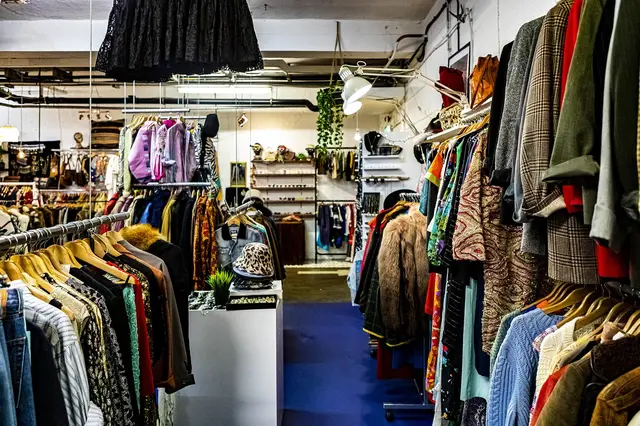
Vintage clothes shop on the high street
Open a small shop with a curated range of vintage clothing and accessories for local and passing trade.
- £5k-25k
- Full-time
- Own premises
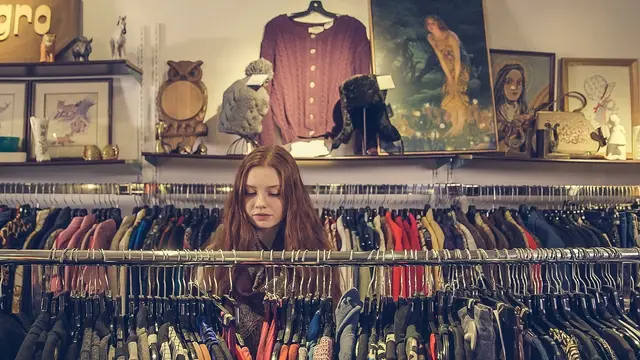
Second-hand clothes shop
Open a small shop selling pre-owned everyday clothing to shoppers who want good value.
- £5k-25k
- Full-time
- Own premises