Cleaning business ideas you can start with over $20,000
14 ideas
A larger budget opens up cleaning businesses that rely on equipment, vehicles or a storefront. These 14 ideas suit people who can invest upfront and want something more substantial than a mop and a van.
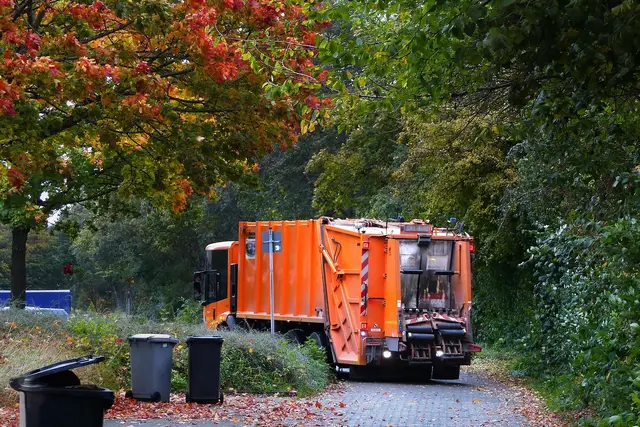
Full-service junk removal with a box truck
Run a branded junk removal service with a box truck and a helper for cleanouts, estate jobs and property managers.
- $15k-50k
- Full-time
- Out and about

Self-service laundromat (small neighborhood store)
Run a small coin or card-operated laundromat serving renters and families nearby who lack machines at home.
- $100k-450k
- Full-time
- Own premises

Wash-dry-fold laundry shop
Open a small laundry unit where busy people drop off bags and collect clean, folded clothes the next day.
- $8k-40k
- Part-time
- Own premises
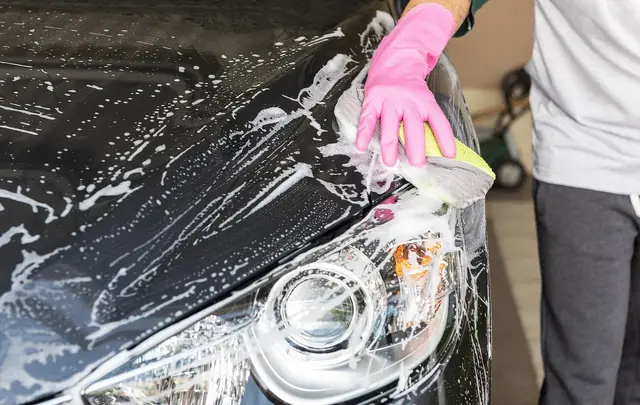
Small hand car wash and detailing shop
Run a small hand wash and detailing site with a few bays and loyal local drivers.
- $15k-75k
- Full-time
- Own premises

Local janitorial supply store
Open a small store or warehouse unit stocking cleaning equipment for contractors and building managers who need it fast.
- $20k-90k
- Full-time
- Own premises
Local janitorial supply shop and warehouse
Run a small unit with counter sales and delivery, stocking everything local cleaners and businesses need.
- $25k-100k
- Full-time
- Own premises
Neighborhood dry cleaning storefront
Open a small shop where locals drop off clothes, with cleaning done by a partner plant or in-house.
- $25k-100k
- Full-time
- Own premises
Diaper laundry service with your own wash unit
Run a small commercial wash unit that launders and delivers cloth diapers for families across your area.
- $25k-80k
- Full-time
- Own premises
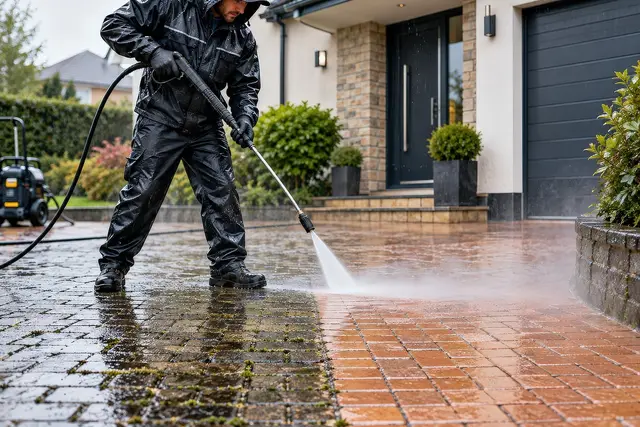
Commercial pressure washing contracts
Wash storefronts, parking areas, dumpster pads and fleets for local businesses on a repeat schedule.
- $5k-25k
- Part-time
- Out and about

Graffiti removal for property managers
Hold monthly contracts to keep commercial properties and rental portfolios graffiti-free.
- $5k-25k
- Full-time
- Out and about
Boat detailing and restoration shop
Rent a covered bay or small unit near the water and restore boats for owners and dealers.
- $6k-30k
- Full-time
- Own premises
Commercial water storage tank cleaning
Win repeat contracts to clean rooftop and ground storage tanks for buildings, farms and small businesses.
- $6k-30k
- Part-time
- Out and about
Commercial duct cleaning for offices and buildings
Win service contracts with property managers to clean ductwork in offices, schools and apartment buildings.
- $8k-35k
- Full-time
- Out and about
Mobile blast cleaning service
Bring blasting gear to customers to strip rust, paint and grime from trailers, fences, brick and equipment.
- $5k-25k
- Part-time
- Out and about
About these ideas
You might open a Self-service laundromat (small neighborhood store), run commercial pressure washing contracts, or build a Full-service junk removal business around a box truck. Some are location-based, while others depend on winning repeat commercial clients. Before choosing, think about where the money goes: equipment, lease deposits, insurance, vehicle costs and working capital for the slow first months. Also consider how much physical work you want to do, whether you will hire help, and whether customers in your area are likely to pay for the service regularly.
Questions
What costs should I plan for beyond equipment in a cleaning business?
Check for vehicle costs, commercial insurance, lease deposits, utility hookups, supplies, and a cash cushion for slow months. Also ask suppliers about maintenance and replacement costs, since heavy-use cleaning equipment can wear out faster than expected.
Do I need licenses or permits to start a larger cleaning business?
Requirements vary by state, county and city, and by service type. Check your local business licensing office about permits, and ask about rules for wastewater, chemical handling, hauling or disposal, and zoning for any storefront or warehouse.
How do I decide between a storefront and a mobile cleaning business?
Compare startup costs, lease commitments, and how you would find customers. A storefront may bring walk-in traffic but adds fixed rent, while a mobile service is flexible but depends on marketing and contracts. Check local demand before committing.