Neighborhood convenience store
Open a small corner store with groceries, drinks and household basics for people who live nearby.

- $50k-250k
- Full-time
- Own premises
- Licence or permit needed
Estimates for a small start in the US, not guarantees.
Official data
36,992 US businesses with employees in this field, +1.6% in a year
NAICS 445120 “Convenience stores”. Source: U.S. Census Bureau, County Business Patterns 2023.
What it is
A small shop, often 1,000 to 2,500 square feet, selling snacks, drinks, milk, bread, basic groceries, household items and sometimes hot coffee or grab-and-go food. You choose a location, lease the space, stock it and run it day to day.
Your first three steps
- Walk several neighborhoods at different times of day, count foot traffic and note what nearby stores don't stock
- Write a simple budget covering rent, deposit, coolers, shelving, point-of-sale system and opening inventory, then talk to a local bank or SBA lender
- Contact a local wholesaler or distributor about minimum orders and terms, and ask your city or county what permits your location needs
Who pays
Nearby residents, commuters, students and workers who want a quick stop for everyday items without a trip to a supermarket.
How it makes money
You buy stock from wholesalers or distributors and sell at a markup. Profit comes from steady daily traffic, a good product mix and keeping rent, waste and theft under control. Extras like ATM fees or prepared food can add to sales.
Skills that help
- Customer service
- Ordering and stock control
- Basic bookkeeping
- Managing staff schedules
Watch out for
- Check zoning for the site and any city or county business license and certificate of occupancy requirements
- Check your state for a sales tax permit and for tobacco, alcohol, lottery or vape retail licenses, each usually has its own rules
- Check the health department rules if you sell prepared food, hot drinks or deli items
- Selling tobacco has age verification rules, so check federal and state requirements and train staff
- General liability, property and theft insurance, plus workers' compensation once you hire
- Long hours, thin margins and shrinkage from theft or spoiled goods, so check the numbers before signing a lease
Deep research report · US
Everything you need to start: neighborhood convenience store
Researched with live web search for United States: real startup prices, the licences and rules, what others charge, a break-even example, how to find your first customers and a 30-day launch plan. With sources.
- Startup costs with real prices
- Licences, registration and rules
- Pricing: what others charge
- Break-even example
- Finding your first customers
- 30-day launch plan
- Risks and how to reduce them
Questions people ask
How much does it cost to open a convenience store?
Startup costs are typically around $50,000 to $250,000, depending on location, lease deposits, fit-out and opening stock. This is an estimate, so check the numbers before signing a lease.
How much can a convenience store earn?
Monthly revenue is typically around $25,000 to $120,000, depending on location and hours. It is an estimate, and margins are thin, so check costs and shrinkage from theft or spoiled goods carefully.
What licenses do I need to open a convenience store?
Check zoning, your city or county business license and certificate of occupancy, and your state sales tax permit. Also check tobacco, alcohol, lottery or vape licenses, each with its own rules, and health department rules for prepared food.
Other ways to run this business
Similar retail ideas
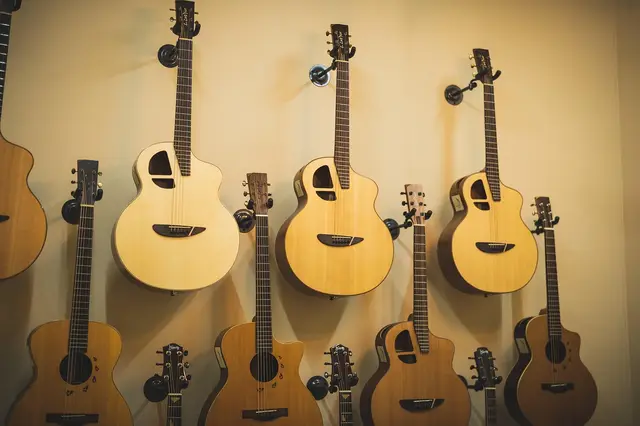
Neighborhood music instrument shop
Open a small shop selling guitars, band instruments, accessories and sheet music to local players, students and parents.
- $60k-250k
- Full-time
- Own premises
Local gun and hunting shop
Open a small storefront selling firearms, ammo and gear to hunters and shooters, with a licensed counter.
- $60k-250k
- Full-time
- Own premises
Local building supply yard for contractors
Open a small supply yard stocking lumber, fasteners and basics for local contractors and DIYers.
- $50k-250k
- Full-time
- Own premises
Sheepskin and wool wholesale warehouse
Run a small stocked unit that supplies sheepskin and wool goods to retailers, designers and online sellers across the country.
- $60k-250k
- Full-time
- Own premises
Local insulation supply store
Stock batts, foam board, rolls and sealants for contractors and DIYers in a small storefront or warehouse unit.
- $60k-250k
- Full-time
- Own premises
Neighborhood Chinese grocery store
Open a small store with Chinese pantry staples, fresh produce and household goods for your local community.
- $60k-250k
- Full-time
- Own premises