Local farm produce broker
Connect small local growers with restaurants and grocers, and earn a margin on each bulk order you arrange.
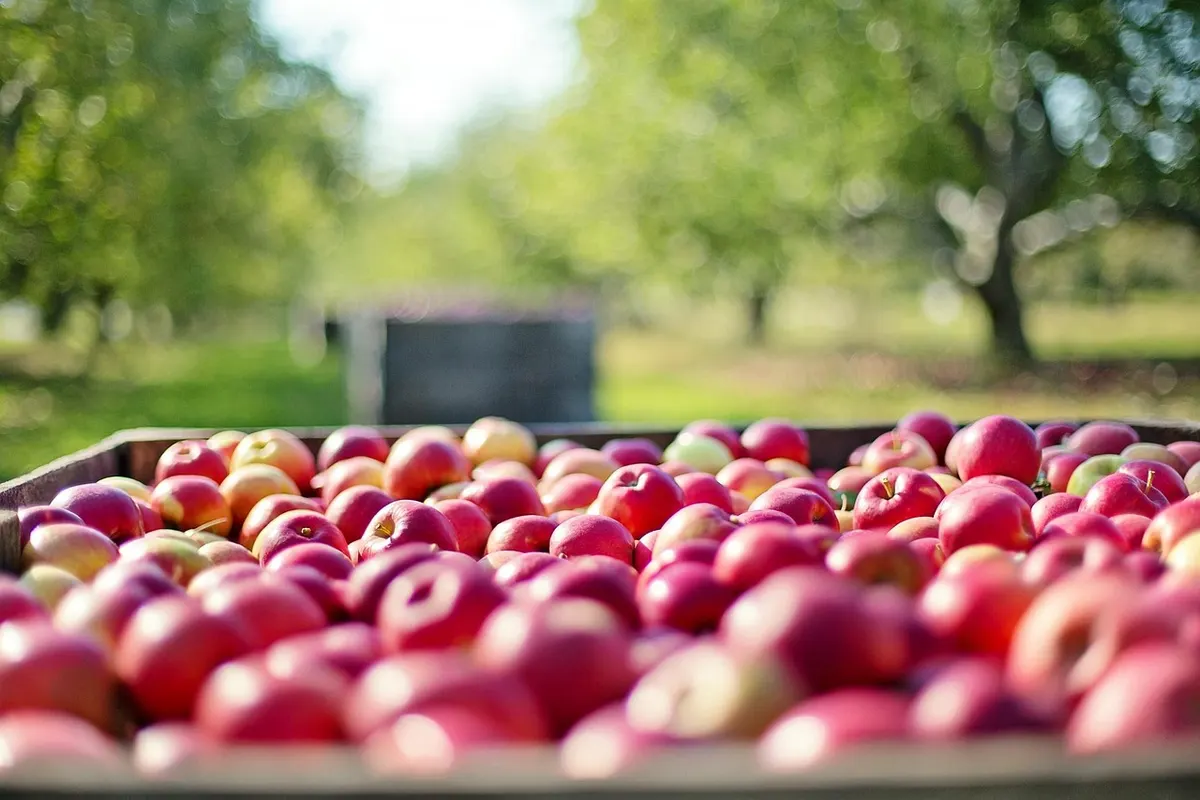
- $1.5k-8k
- Side hustle
- From home
- Licence or permit needed
Estimates for a small start in the US, not guarantees.
Official data
1,120 US businesses with employees in this field, +2.0% in a year
NAICS 424590 “Other farm product raw material merchant wholesalers”. Source: U.S. Census Bureau, County Business Patterns 2023.
What it is
You buy produce from a handful of nearby farms and resell it in bulk to local food businesses. You work from home on phone and email, and use a rented or borrowed van or the grower's delivery for pickups.
Your first three steps
- Visit farms and farmers markets in your county and ask which growers have surplus they want to sell in bulk
- Talk to 10 local restaurants and grocers about what they buy now and what price they pay
- Form an LLC or register as a sole proprietor, get an EIN from the IRS, and ask your state about a resale certificate
Who pays
Independent restaurants, cafes, small grocers, caterers, school kitchens and food co-ops that want local produce without dealing with many farms.
How it makes money
You buy at a wholesale price from growers and sell at a higher price to buyers. The margin on each case or pallet is your income, minus delivery and spoilage.
Skills that help
- Negotiating with growers and buyers
- Organizing orders and deliveries
- Knowing seasonal produce and quality
- Reliable follow-up and invoicing
Watch out for
- Food safety rules for handling and storing produce; check with your state department of agriculture and the FDA's produce safety requirements
- Whether you need a wholesale food dealer or produce dealer license in your state (check your state department of agriculture)
- Perishable stock can spoil, so only buy against confirmed orders at first
- Commercial auto and general liability insurance; check that your policy covers food products
- Home occupation permits and HOA or lease rules if you run orders from home
Deep research report · US
Everything you need to start: local farm produce broker
Researched with live web search for United States: real startup prices, the licences and rules, what others charge, a break-even example, how to find your first customers and a 30-day launch plan. With sources.
- Startup costs with real prices
- Licences, registration and rules
- Pricing: what others charge
- Break-even example
- Finding your first customers
- 30-day launch plan
- Risks and how to reduce them
Questions people ask
How much does it cost to start a local produce broker business?
Startup costs are typically estimated at around $1,500 to $8,000, depending on whether you rent or borrow a van, the insurance you need and the working cash for buying produce. Buying only against confirmed orders at first limits spoilage risk.
How much can a produce broker earn?
Monthly revenue is typically estimated at around $2,000 to $10,000, depending on how many growers and buyers you connect, order sizes and the season. The estimate assumes about 12 hours a week or more.
What rules should I check before brokering farm produce?
Check food safety rules for handling and storing produce with your state department of agriculture and the FDA's produce safety requirements. Check whether your state requires a wholesale food dealer or produce dealer license. Also check commercial auto and general liability coverage, and home occupation, HOA or lease rules.
Other ways to run this business

Similar farming and garden ideas
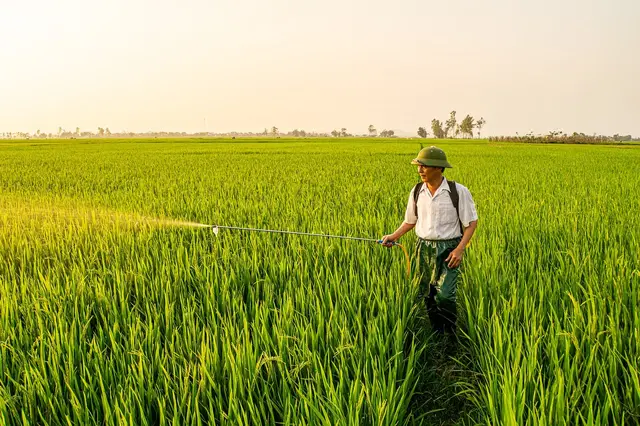
Pasture-raised eggs and small flock
Keep a laying flock on a few acres and sell eggs directly to neighbors, shops and markets.
- $1k-8k
- Side hustle
- Own premises

Small-plot vegetable grower
Grow vegetables on a small plot and sell at farmers markets and through weekly produce boxes.
- $1.5k-8k
- Side hustle
- Own premises
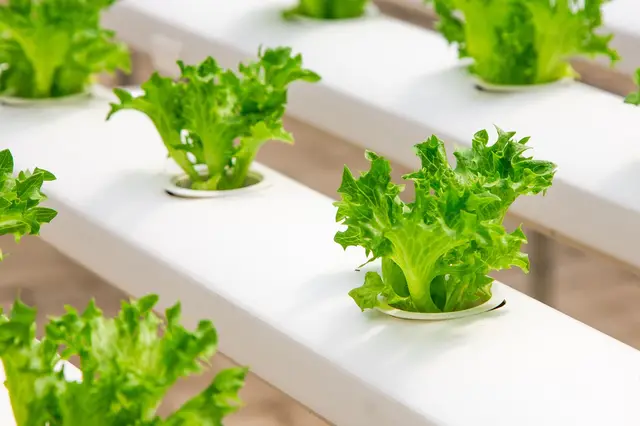
Online hydroponics supply store
Sell grow lights, nutrients and starter systems to home growers through your own website.
- $1.5k-8k
- Side hustle
- Online
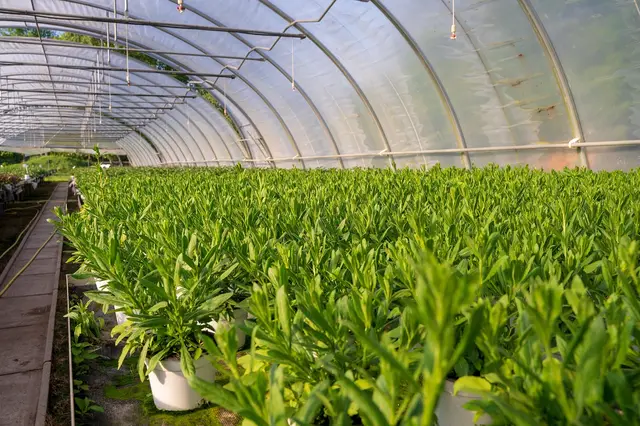
Small specialty plant grower for local buyers
Grow one or two types of plants on your own land and sell them in bulk to local landscapers and garden centers.
- $1.5k-8k
- Side hustle
- From home

Online fertilizer supplier for small farms
Sell organic fertilizers and soil amendments to market gardeners and small farms online, with local pickup or shipping.
- $1.5k-8k
- Side hustle
- Online

Backyard orchid grower
Grow orchids in a small home greenhouse and sell online, at plant shows and at local markets.
- $1.5k-7.5k
- Side hustle
- From home
Photo: JillWellington on Pixabay