Part-time delivery route for local suppliers
Deliver small orders from local makers and wholesalers to shops, offices and homes on a set schedule.
- $300-1.5k
- Side hustle
- Out and about
Estimates for a small start in the US, not guarantees.
Official data
46,302 US businesses with employees in this field, +1.9% in a year
NAICS 484110 “General freight trucking, local”. Source: U.S. Census Bureau, County Business Patterns 2023.
What it is
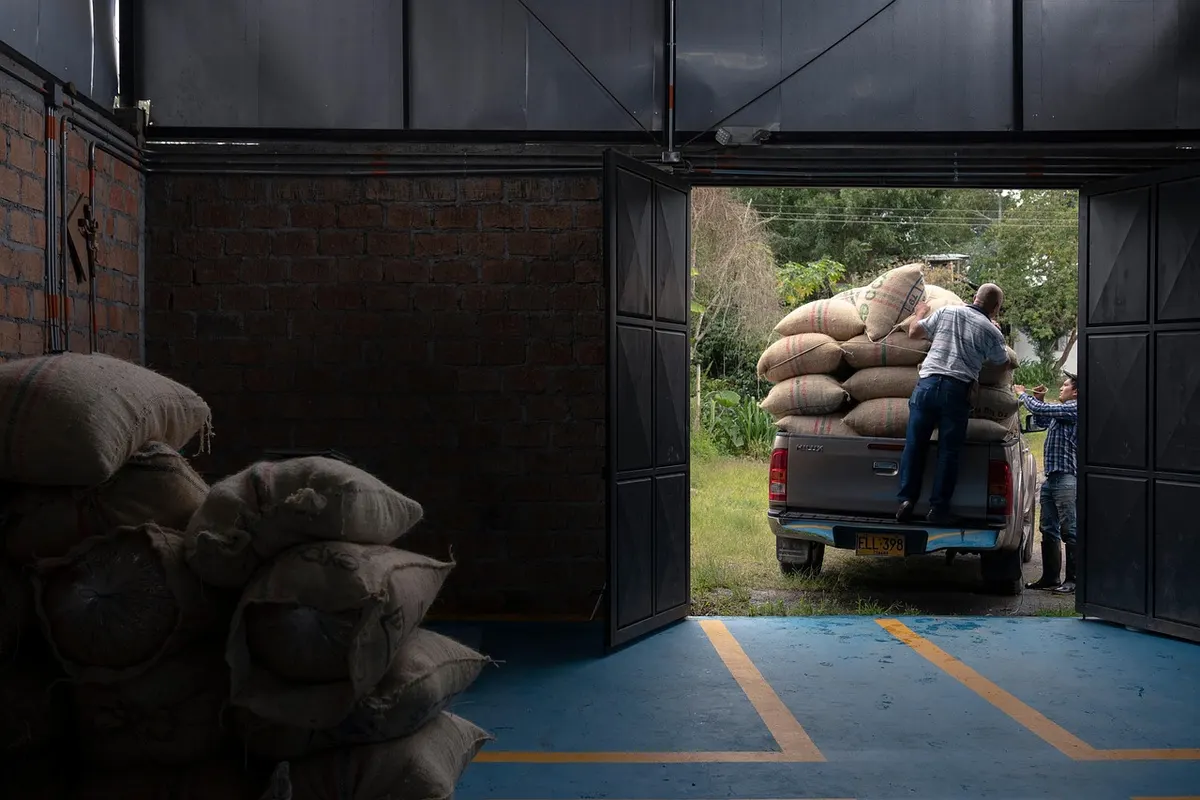
A small scheduled delivery service using your own car or SUV. You collect orders from a few local suppliers, such as bakeries, florists, print shops or craft producers, and deliver them to their business customers on set days.
Your first three steps
- Make a list of 15 to 20 local suppliers that deliver to customers in your county and visit or email them with a simple price per stop
- Call your insurance agent about coverage for delivering goods for pay, then set up a basic mileage and income tracking sheet
- Run a two-week trial route for one or two suppliers and ask for a written testimonial
Who pays
Small local suppliers and wholesalers who don't have their own drivers, and sometimes the shops and offices receiving the goods.
How it makes money
A flat fee per stop or per route, or a weekly retainer from each supplier. Adding a few suppliers whose customers are in the same area makes each route more worthwhile.
Skills that help
- Reliable and punctual
- Route planning
- Careful handling of goods
- Clear communication with business owners
Watch out for
- Personal auto insurance often excludes carrying goods for pay, so check whether you need commercial auto or a delivery endorsement
- Check with your city or county about a local business license and your state's rules for registering a sole proprietorship or LLC
- Goods you carry may be damaged or lost, so check what cargo or liability cover you need
- Wear and tear on your own car adds up, so set your rates to cover fuel, maintenance and depreciation
Deep research report · US
Everything you need to start: part-time delivery route for local suppliers
Researched with live web search for United States: real startup prices, the licences and rules, what others charge, a break-even example, how to find your first customers and a 30-day launch plan. With sources.
- Startup costs with real prices
- Licences, registration and rules
- Pricing: what others charge
- Break-even example
- Finding your first customers
- 30-day launch plan
- Risks and how to reduce them
Questions people ask
How much does it cost to start a local delivery route?
Startup costs are typically around $300 to $1,500, depending on your setup. Because you use your own car, set your rates to cover fuel, maintenance and depreciation, since wear and tear adds up over time.
How much can a part-time delivery route earn?
Monthly revenue is typically estimated at around $500 to $2,500, depending on how many suppliers you serve and how many delivery days you run. Treat this as a rough estimate, not a promise.
Do I need special insurance or a license for a delivery route?
Check first: personal auto insurance often excludes carrying goods for pay, so ask about commercial auto or a delivery endorsement. Also check with your city or county about a local business license, your state's registration rules, and what cargo or liability cover you need.
Other ways to run this business
Cargo van delivery service for local businesses
Run regular deliveries in your own cargo van for wholesalers, retailers and suppliers across your region.
- $12k-45k
- Full-time
- Out and about
Local producer distribution with a box truck
Collect products from local food and craft makers and deliver them to shops, cafes and restaurants on regular routes.
- $45k-120k
- Full-time
- Out and about
Similar transport ideas
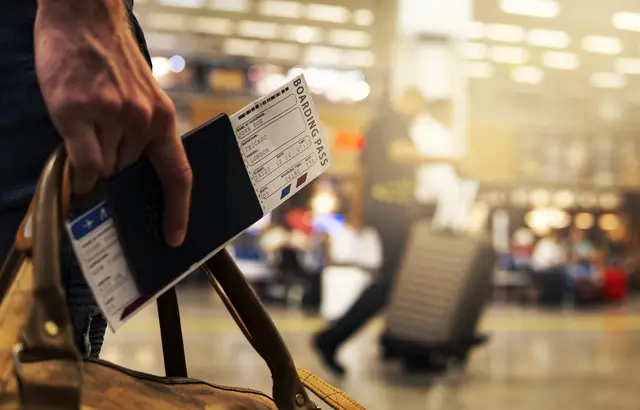
Home-based flight and travel booking agent
Book flights and trip packages for friends, family and local groups from home, working under a host travel agency.
- $300-1.5k
- Side hustle
- From home
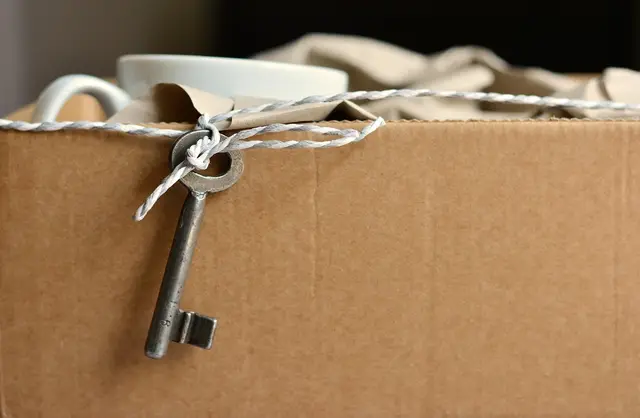
Moving helpers (loading and unloading, no truck)
Load and unload rental trucks and storage containers for people who handle the driving themselves.
- $300-1.5k
- Side hustle
- Out and about
Vehicle shipping agent (working under a broker)
Find people who need a car moved and book them with carriers, working under an established licensed broker.
- $300-1.5k
- Side hustle
- From home
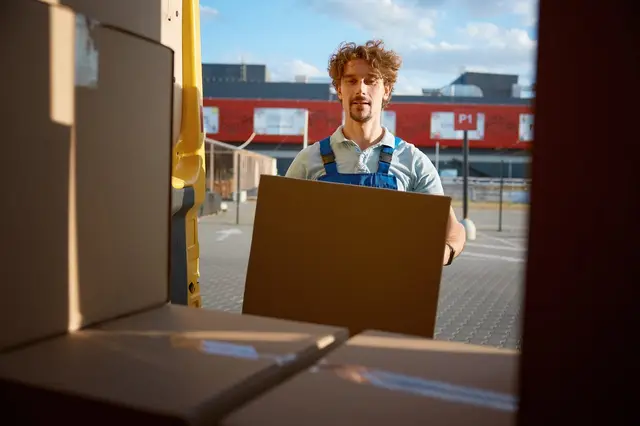
Niche delivery service for local sellers
Offer scheduled delivery for one niche, like bakeries, farm stands or meal prep, in your town.
- $300-2k
- Side hustle
- Out and about
Online bus ticket booking service
Help travelers and groups book intercity bus trips online or by phone from home and earn commission on tickets sold.
- $300-2k
- Side hustle
- From home
Bike courier for downtown deliveries
Deliver documents and small parcels by bike or e-bike in a busy city center.
- $300-2.5k
- Side hustle
- Out and about
Photo: HunterProducciones on Pixabay