Local measuring instruments supplier for shops and labs
Supply measuring tools and gauges to local machine shops, labs and contractors, with calibration help and fast delivery.
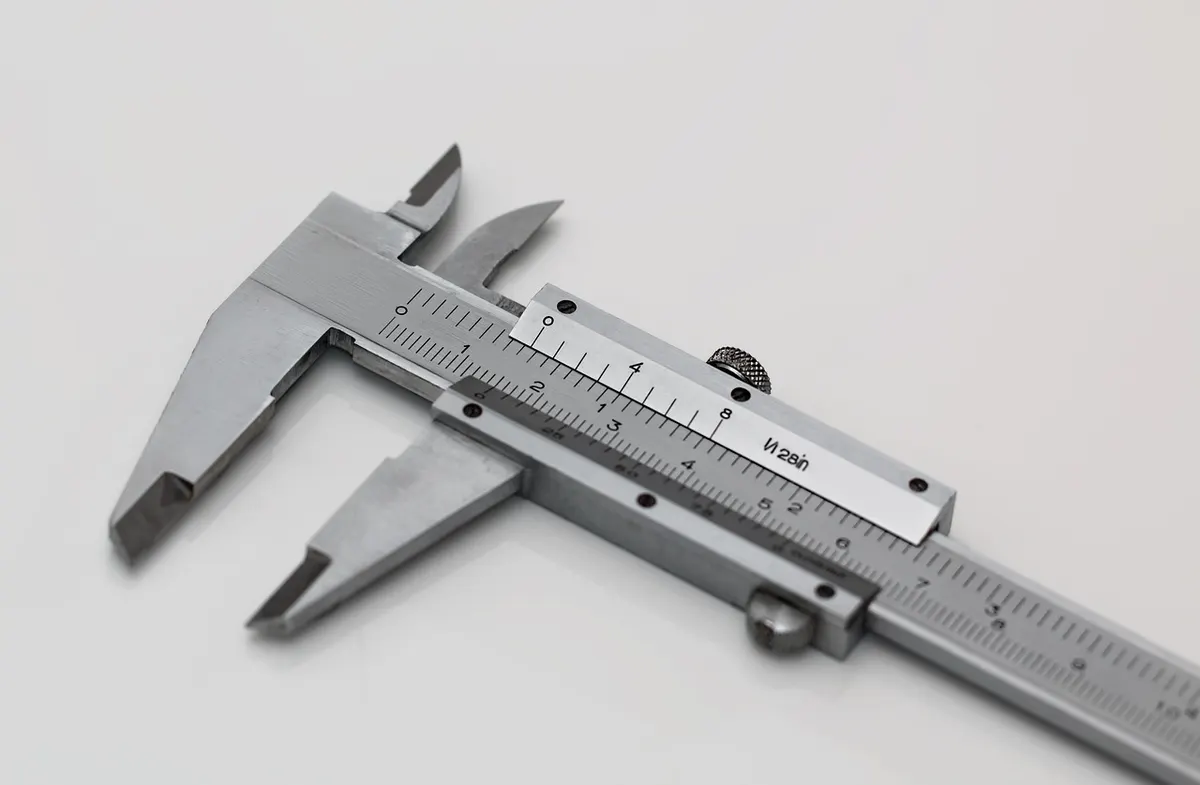
- $5k-25k
- Part-time
- Out and about
Estimates for a small start in the US, not guarantees.
Official data
2,392 US businesses with employees in this field, -1.1% in a year
NAICS 423490 “Other professional equipment and supplies merchant wholesalers”. Source: U.S. Census Bureau, County Business Patterns 2023.
What it is
A small supply business that visits or serves local workshops, fabricators, labs and trade contractors, selling and restocking measuring instruments. You may keep a modest stock in a small unit or garage and deliver in your own vehicle.
Your first three steps
- Visit local shops and labs to learn which instruments they use and what frustrates them about current suppliers
- Open wholesale accounts with a few distributors or manufacturers and build a small stock of fast-moving items
- Register your business, set up net-30 invoicing, and pitch five to ten local buyers with a simple catalog and price list
Who pays
Machine shops, manufacturers, testing labs, construction and HVAC firms, schools and vocational programs that buy tools regularly.
How it makes money
Margin on tool sales, repeat orders on consumables and replacements, and sometimes a fee for arranging calibration through a third-party lab.
Skills that help
- Knowledge of precision tools and standards
- Sales and relationship building
- Quoting and invoicing
- Inventory management
Watch out for
- Local business license and sales tax registration, check with your city, county and state
- Zoning or lease rules if you store stock at home or in a unit
- General liability and commercial auto insurance, check coverage with an agent
- Cash flow strain from carrying stock and waiting on customer payments
- Calibration and traceability claims, only promise what an accredited lab can certify
- Larger distributors can undercut on price, so service and speed are your edge
🔒 Full research report for US
Real cost breakdown with current prices, licences and registration checklist, local competition, pricing, break-even and a 30-day launch plan, with sources.
Coming soonQuestions people ask
How much does it cost to start a measuring instruments supply business?
Startup costs are typically around $5,000 to $25,000, depending on how much stock you carry, any storage space and your delivery vehicle. These are estimates. Carrying stock and waiting on customer payments can strain cash flow.
How much can a local measuring tools supplier earn?
Monthly revenue is typically around $2,000 to $10,000, depending on how many shops, labs and contractors you serve and how often they reorder. These are revenue estimates, not profit, so work out your own costs.
What rules should I check before supplying measuring instruments?
Check local business license and sales tax registration with your city, county and state, plus zoning or lease rules if you store stock at home or in a unit. Only promise calibration or traceability that an accredited lab can certify.
Other ways to run this business

Similar business services ideas

Niche equipment importer (home-based)
Source one type of equipment from overseas suppliers and sell it to US businesses, run from a home office.
- $5k-25k
- Part-time
- From home

Boutique industrial brokerage
Run your own small brokerage for warehouse and industrial deals, keeping a bigger share of each commission.
- $5k-25k
- Full-time
- From home

Business address and mail handling service
Rent real street addresses and mail handling to remote founders and small firms from a small storefront or unit.
- $5k-25k
- Part-time
- Own premises

Promo products shop with in-house printing
Run a small shop or unit that prints and embroiders shirts, caps and mugs for local businesses, teams and events.
- $5k-25k
- Part-time
- Own premises

Small team outbound calling and survey service
Run a small team of callers handling lead generation and survey campaigns for several business clients.
- $5k-25k
- Full-time
- Own premises
Money transfer agent storefront
Run a small shop as an authorized agent sending money home and abroad for people in your community.
- $5k-25k
- Full-time
- Own premises
Photo: stevepb on Pixabay