Money transfer agent storefront
Run a small shop as an authorized agent sending money home and abroad for people in your community.

- $5k-25k
- Full-time
- Own premises
- Licence or permit needed
Estimates for a small start in the US, not guarantees.
Official data
11,300 US businesses with employees in this field, -6.7% in a year
NAICS 522390 “Other activities related to credit intermediation”. Source: U.S. Census Bureau, County Business Patterns 2023.
What it is
A small storefront, often in an immigrant-heavy or high-foot-traffic area, that sends and receives money transfers as an authorized agent of a licensed provider. Many owners also add bill pay, prepaid cards, phone top-ups or check cashing, if allowed locally.
Your first three steps
- Research providers that recruit agents in your area and compare their commission splits, fees and requirements
- Scout locations with steady foot traffic and check zoning and lease terms with your city or county
- Form an LLC, get an EIN, and ask your chosen provider what onboarding and compliance training they require
Who pays
Individuals and families sending money to relatives abroad or across the country, especially people without easy access to online banking.
How it makes money
You earn a commission or share of the fee and exchange rate margin on each transfer, plus any fees from add-on services. Income depends on transaction volume, so location and trust matter.
Skills that help
- Customer service and building trust
- Careful record keeping and attention to detail
- Speaking the language of your community is a big plus
- Comfort following compliance procedures
Watch out for
- Money services businesses face federal anti-money laundering rules (FinCEN, Bank Secrecy Act, OFAC checks), so check what applies to you as an agent
- Check with your state's financial regulator on whether agents need their own registration or license, since rules vary by state
- Providers may require a security deposit, a bond or background checks, and can end the agreement if compliance slips
- Cash handling brings theft and fraud risks, so check insurance and security options
- Becoming your own licensed money transmitter is a far bigger and costlier step than being an agent
🔒 Full research report for US
Real cost breakdown with current prices, licences and registration checklist, local competition, pricing, break-even and a 30-day launch plan, with sources.
Coming soonQuestions people ask
How much does it cost to open a money transfer agent shop?
Startup costs are typically around $5,000 to $25,000, depending on your premises, equipment and any deposit, bond or background check the provider requires. These are estimates, and your costs will vary with your location and provider.
How much can a money transfer agent earn?
Monthly revenue is typically around $1,500 to $7,500, depending on your location, transaction volume and any extra services you add. These are estimates, and the storefront model usually needs about 30 hours a week.
What rules should I check before becoming a money transfer agent?
Check which federal anti-money laundering rules apply to you as an agent (FinCEN, Bank Secrecy Act, OFAC checks). Also check with your state's financial regulator on agent registration or licensing, since rules vary by state.
Other ways to run this business
Similar business services ideas

Niche equipment importer (home-based)
Source one type of equipment from overseas suppliers and sell it to US businesses, run from a home office.
- $5k-25k
- Part-time
- From home
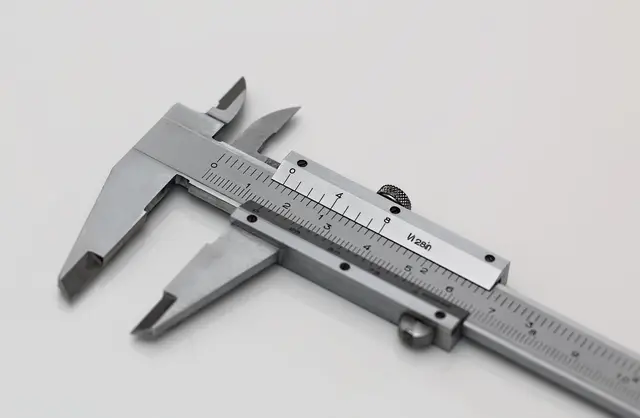
Local measuring instruments supplier for shops and labs
Supply measuring tools and gauges to local machine shops, labs and contractors, with calibration help and fast delivery.
- $5k-25k
- Part-time
- Out and about
Boutique industrial brokerage
Run your own small brokerage for warehouse and industrial deals, keeping a bigger share of each commission.
- $5k-25k
- Full-time
- From home

Business address and mail handling service
Rent real street addresses and mail handling to remote founders and small firms from a small storefront or unit.
- $5k-25k
- Part-time
- Own premises

Promo products shop with in-house printing
Run a small shop or unit that prints and embroiders shirts, caps and mugs for local businesses, teams and events.
- $5k-25k
- Part-time
- Own premises

Small team outbound calling and survey service
Run a small team of callers handling lead generation and survey campaigns for several business clients.
- $5k-25k
- Full-time
- Own premises