Local specialty food supplier to cafés and shops
Buy a niche range of food in bulk and deliver it to local cafés, shops and caterers on trade accounts.

- $8k-40k
- Part-time
- Out and about
- Licence or permit needed
Estimates for a small start in the US, not guarantees.
Official data
14,991 US businesses with employees in this field, +1.2% in a year
NAICS 424490 “Other grocery and related products merchant wholesalers”. Source: U.S. Census Bureau, County Business Patterns 2023.
What it is
A small delivery-based food wholesaler focused on one niche, such as coffee, baked goods, dry goods, cheese or local produce. You buy in bulk from producers or larger distributors, store it in rented or approved space, and deliver by van on a regular route.
Your first three steps
- Pick one niche and talk to 10 local cafés, shops or caterers about what they buy, what they pay and what frustrates them with their current supplier
- Contact your state department of agriculture or health department to find out what wholesale food license, registration or storage approval you need
- Line up two or three suppliers, price a small first stock order and ask your first buyers for a trial order
Who pays
Independent cafés, delis, grocery and specialty shops, and caterers who want a reliable local supplier and don't have a large distributor's minimum order.
How it makes money
You sell at a markup over your buying price, usually on weekly or biweekly orders. Trade accounts with net-15 or net-30 payment terms are common. Revenue grows by adding accounts on the same delivery route.
Skills that help
- Selling and building relationships with buyers
- Organizing orders, stock and delivery routes
- Careful with pricing and cash flow
Watch out for
- State and local licensing for food wholesalers and storage; check with your state agency and county health department
- FDA food facility registration may apply if you store food, so verify with the FDA
- Home kitchens or garages often can't be used to store wholesale food; check what space is allowed
- General liability, product liability and commercial auto insurance
- Refrigerated or frozen goods need proper temperature control and may need a refrigerated vehicle
- Late-paying customers can squeeze cash flow, so set clear payment terms and credit limits
- Sales tax resale certificates and state registration rules vary by state
Deep research report · US
Everything you need to start: local specialty food supplier to cafés and shops
Researched with live web search for United States: real startup prices, the licences and rules, what others charge, a break-even example, how to find your first customers and a 30-day launch plan. With sources.
- Startup costs with real prices
- Licences, registration and rules
- Pricing: what others charge
- Break-even example
- Finding your first customers
- 30-day launch plan
- Risks and how to reduce them
Questions people ask
How much does it cost to start a food distribution business?
Startup costs are typically around $8,000 to $40,000, depending on your niche, opening stock, delivery vehicle, storage space and insurance. Refrigerated goods may need a refrigerated vehicle, which can push costs higher.
How much can a small food distributor make?
Monthly revenue is typically around $5,000 to $25,000, depending on how many trade accounts you win, order sizes and your product range. These are revenue estimates, not profit, and stock and delivery costs come out of them.
What licenses and rules apply to food distribution?
Check state and local licensing for food wholesalers and storage with your state agency and county health department. Also check whether FDA food facility registration applies, what storage space is allowed, and sales tax resale certificate rules.
Other ways to run this business
Similar food ideas

Dairy and grocery home delivery round
Run a full-time van round delivering dairy, bread, eggs and local groceries to subscribing households.
- $8k-40k
- Full-time
- Out and about
Snack and drink kiosk
Run a small food and drink kiosk where people pass all day, like an office lobby, campus, park or hospital.
- $8k-40k
- Part-time
- Own premises
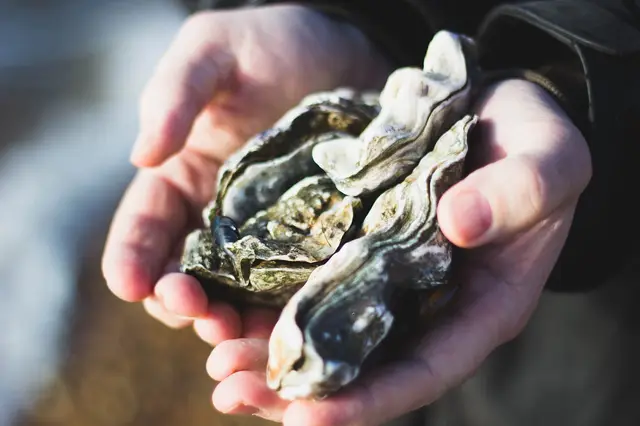
Local oyster delivery to restaurants and shops
Buy live oysters from licensed growers and deliver them cold to restaurants, fishmongers and markets in your area.
- $8k-40k
- Part-time
- Out and about
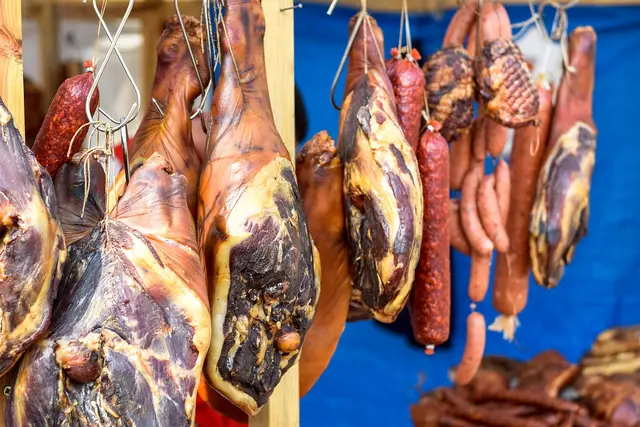
Small-batch cured meats maker
Make salami, ham and other cured meats in a rented inspected space and sell at markets and to local shops.
- $8k-35k
- Part-time
- Own premises

Bagged ice delivery for bars and events
Buy ice in bulk from a local ice plant and deliver it to bars, caterers and event planners on a regular route.
- $8k-35k
- Part-time
- Out and about
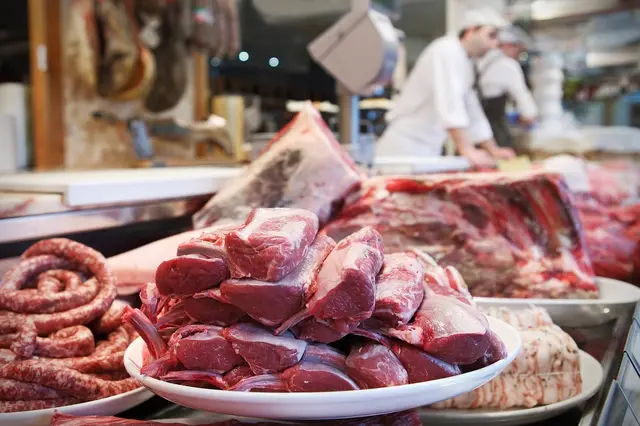
Farmers market butcher stand
Cut and pack quality meats in a licensed space, then sell at farmers markets and by pre-order pickup.
- $8k-35k
- Side hustle
- Out and about