Used instrument shop with trade-ins
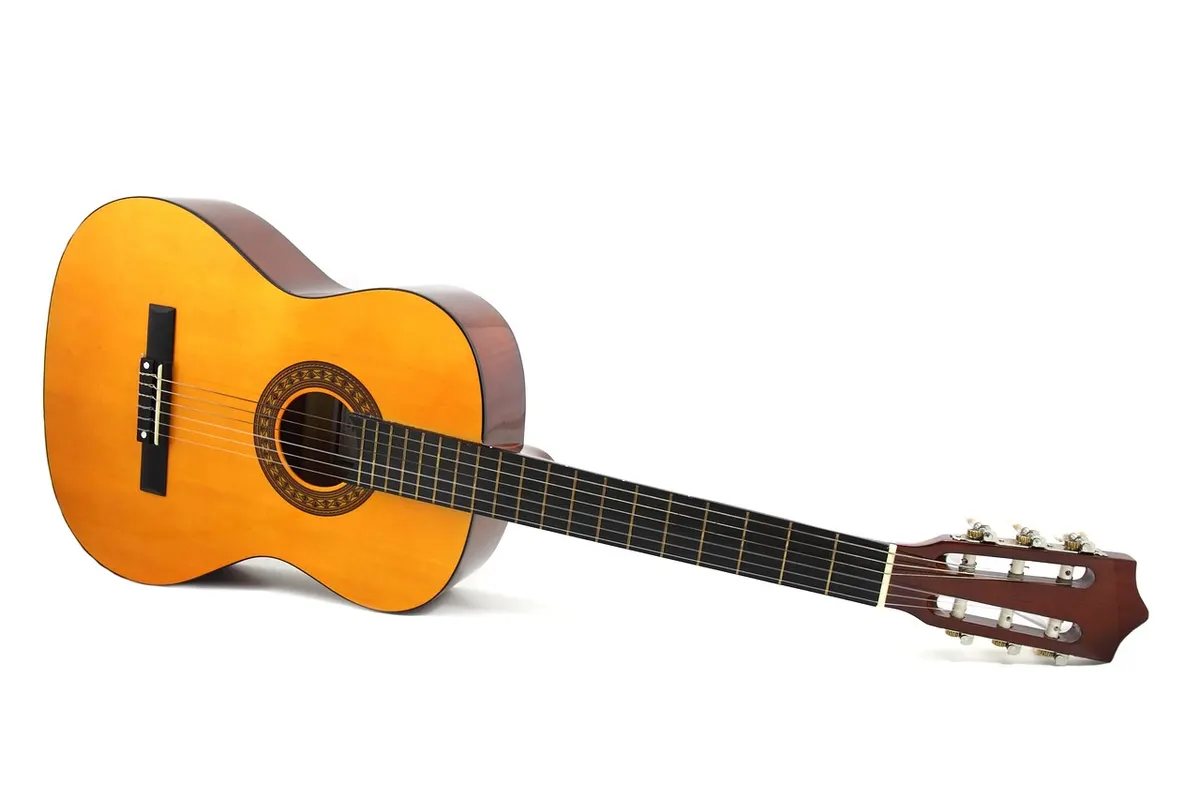
Open a small shop that buys, sells and takes trade-ins on used instruments and gear.
- $15k-60k
- Full-time
- Own premises
- Licence or permit needed
Estimates for a small start in the US, not guarantees.
Official data
3,230 US businesses with employees in this field, -2.7% in a year
NAICS 451140 “Musical instrument and supplies stores”. Source: U.S. Census Bureau, County Business Patterns 2023.
What it is
A small retail space where customers can try instruments, sell or trade in their old ones, and buy accessories. You price, test and display stock, and may add basic repairs or consignment.
Your first three steps
- Research your area for competing shops and gaps, then price out rent in a few affordable retail locations
- Build a starting stock by buying from local sellers and setting up simple trade-in and buying rules
- Register your business, get your sales tax registration sorted and open with a launch event for local musicians
Who pays
Local players, students and parents, hobbyists, and musicians selling or trading in gear they no longer use.
How it makes money
Margin on resold instruments, sales of strings, cables, picks and cases, and optional extras such as consignment fees or simple setups.
Skills that help
- Strong knowledge of instruments and values
- Negotiating fair buy prices
- Customer service
- Managing stock and cash flow
Watch out for
- Check with your state about a seller's permit and sales tax registration, and with your city or county about a business license and zoning for retail
- Used goods and secondhand dealer rules differ by state and city, and some places require recording seller IDs or holding purchases for a set time, so check locally
- Buying stolen instruments is a real risk, so keep records and check IDs and serial numbers
- Lease commitments and unsold stock can tie up cash, so negotiate lease terms carefully
- General liability and property insurance, and workers' compensation once you hire
Deep research report · US
Everything you need to start: used instrument shop with trade-ins
Researched with live web search for United States: real startup prices, the licences and rules, what others charge, a break-even example, how to find your first customers and a 30-day launch plan. With sources.
- Startup costs with real prices
- Licences, registration and rules
- Pricing: what others charge
- Break-even example
- Finding your first customers
- 30-day launch plan
- Risks and how to reduce them
Questions people ask
How much does it cost to open a used instrument shop?
Startup costs are typically estimated at around $15,000 to $60,000, depending on your lease, shop fit-out and how much stock you buy. Lease commitments and unsold stock can tie up cash, so negotiate terms carefully.
What rules apply to a used instrument shop?
Check with your state about a seller's permit and sales tax registration, and with your city or county about a business license and retail zoning. Also check secondhand dealer rules, which may require recording seller IDs or holding purchases.
How much can a used instrument shop earn?
Monthly revenue is typically estimated at around $4,000 to $20,000, depending on your location, stock quality and how many trade-ins and sales you handle. Expect to work at least about 35 hours a week.
Other ways to run this business
Similar retail ideas
Neighborhood flower shop
Open a small storefront selling fresh flowers, bouquets and gifts to walk-in customers and local orders.
- $15k-60k
- Full-time
- Own premises

Neighborhood health and beauty shop
Open a small store selling skincare, cosmetics, hair care and personal care products people want to try in person.
- $15k-60k
- Full-time
- Own premises

Neighborhood greeting card and stationery shop
Open a small storefront selling cards, wrapping and stationery to local shoppers and gift buyers.
- $15k-60k
- Full-time
- Own premises

Regional cosmetics distributor with a small warehouse
Rent a small unit, stock several beauty brands and supply salons and retailers across your region.
- $15k-60k
- Full-time
- Own premises

Shelving and storage showroom
Open a small local shop where homeowners and businesses can see, buy and collect shelving and storage units.
- $15k-60k
- Full-time
- Own premises
Needlework shop with stitching classes
Open a small local shop for stitchers with kits, threads and fabrics, plus classes and a stitching circle.
- $15k-60k
- Full-time
- Own premises
Photo: PublicDomainPictures on Pixabay