Local wire and cable supply counter
Stock popular wire and cable in a small unit and serve local electricians and contractors with same-day pickup or delivery.
- $40k-150k
- Full-time
- Own premises
Estimates for a small start in the US, not guarantees.
Official data
13,379 US businesses with employees in this field, -0.6% in a year
NAICS 423610 “Electrical apparatus and equipment, wiring supplies, and related equipment merchant wholesalers”. Source: U.S. Census Bureau, County Business Patterns 2023.
What it is
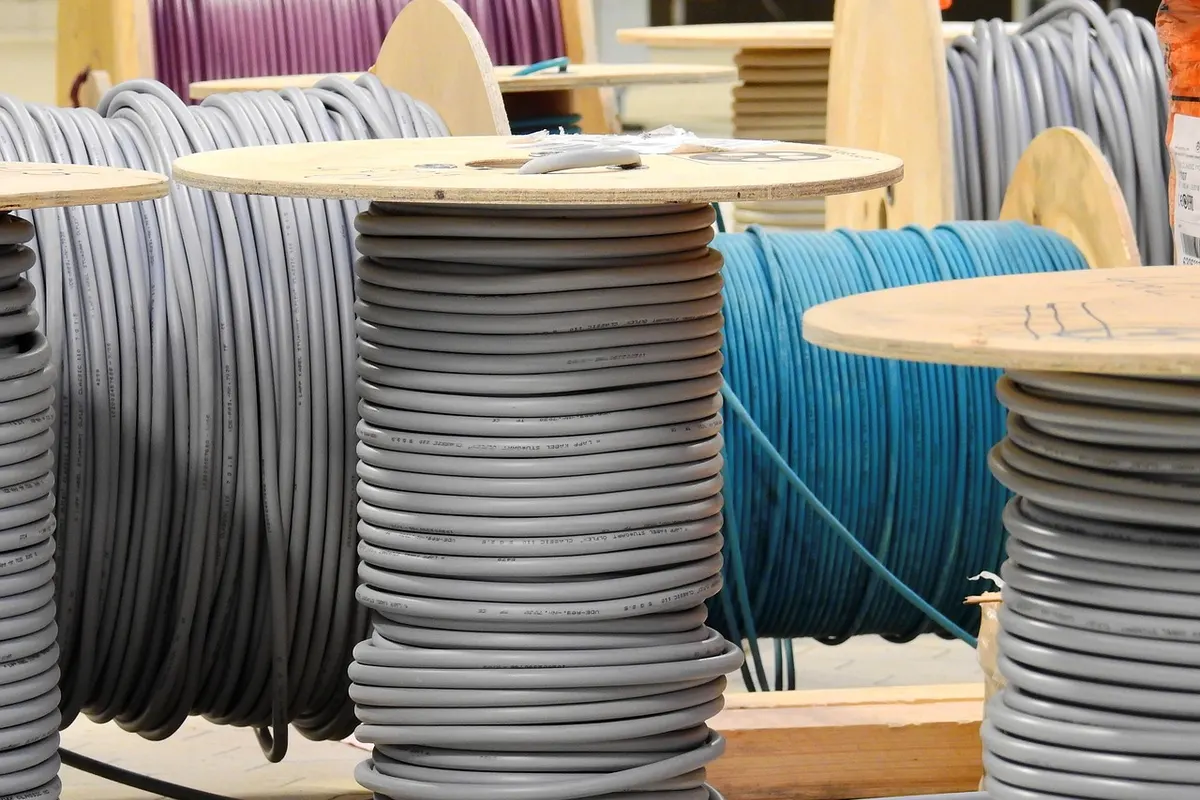
A small warehouse or unit with a counter, stocking common building wire, cable and connectors by the spool and cut to length. You serve local trades who need material today and don't want to wait for a big distributor.
Your first three steps
- Talk to local electricians about what they struggle to get quickly, and list the 30 to 50 items to stock first
- Open dealer accounts with manufacturers or wholesalers and price a small unit near contractor areas
- Form your LLC, get your EIN, resale certificate and local business license, then offer opening accounts to local contractors
Who pays
Electrical contractors, HVAC and solar installers, facilities teams and small industrial buyers in your area.
How it makes money
Margin on wire and cable sold by the foot or spool, with contractor accounts on monthly terms and extra for cutting, delivery and rush orders.
Skills that help
- Product knowledge of wire and cable types
- Inventory management and purchasing
- Building trade relationships
Watch out for
- Inventory is a big upfront cost and copper prices move, so start with fast-selling items
- Selling on credit to contractors carries a risk of late or unpaid invoices, so check customers before giving terms
- General liability, product liability, property and commercial auto insurance; workers' compensation once you hire
- Check zoning, your city or county business license, and sales tax registration with your state
- Safe handling of heavy spools, and OSHA rules if you use a forklift or hire staff
Deep research report · US
Everything you need to start: local wire and cable supply counter
Researched with live web search for United States: real startup prices, the licences and rules, what others charge, a break-even example, how to find your first customers and a 30-day launch plan. With sources.
- Startup costs with real prices
- Licences, registration and rules
- Pricing: what others charge
- Break-even example
- Finding your first customers
- 30-day launch plan
- Risks and how to reduce them
Questions people ask
How much does it cost to start a wire and cable supply counter?
Startup costs are estimated at typically around $40,000 to $150,000, depending on your unit, how much inventory you buy and your vehicle. Inventory is a big upfront cost and copper prices move, so consider starting with fast-selling items.
What licenses and rules should I check?
Check zoning, your city or county business license, and sales tax registration with your state. Also check OSHA rules if you use a forklift or hire staff, and ask about general liability, product liability, property and commercial auto insurance, plus workers' compensation.
How much can a local wire and cable supplier earn?
Monthly revenue is typically estimated around $15,000 to $60,000, depending on your stock, location and how many local trades buy from you. Plan for at least about 40 hours a week. Check customers before offering credit, since late or unpaid invoices are a risk.
Other ways to run this business
Similar trades ideas

Small warehouse tool wholesaler
Rent a small unit, stock tools in volume and supply local contractors, retailers and bulk buyers.
- $40k-150k
- Full-time
- Own premises
Small countertop fabrication and install shop
Run a small workshop that cuts and finishes stone, quartz and solid surface countertops, then installs them.
- $30k-150k
- Full-time
- Own premises

Local garage door trade counter and delivery
Stock doors, springs and openers in a small warehouse and supply local installers and builders with same-day pickup or delivery.
- $40k-150k
- Full-time
- Own premises

Local door and hardware showroom
Open a small showroom and stockroom supplying doors, frames and hardware to local builders and homeowners.
- $40k-150k
- Full-time
- Own premises
Local electrical supply trade counter
Stock a small warehouse with everyday electrical parts so local electricians can pick up what they need fast.
- $40k-150k
- Full-time
- Own premises
Window and glazing supply counter
Run a small unit stocking windows, glass units and hardware for local glaziers and builders.
- $40k-150k
- Full-time
- Own premises
Photo: Bru-nO on Pixabay