Small automation and robotics integrator
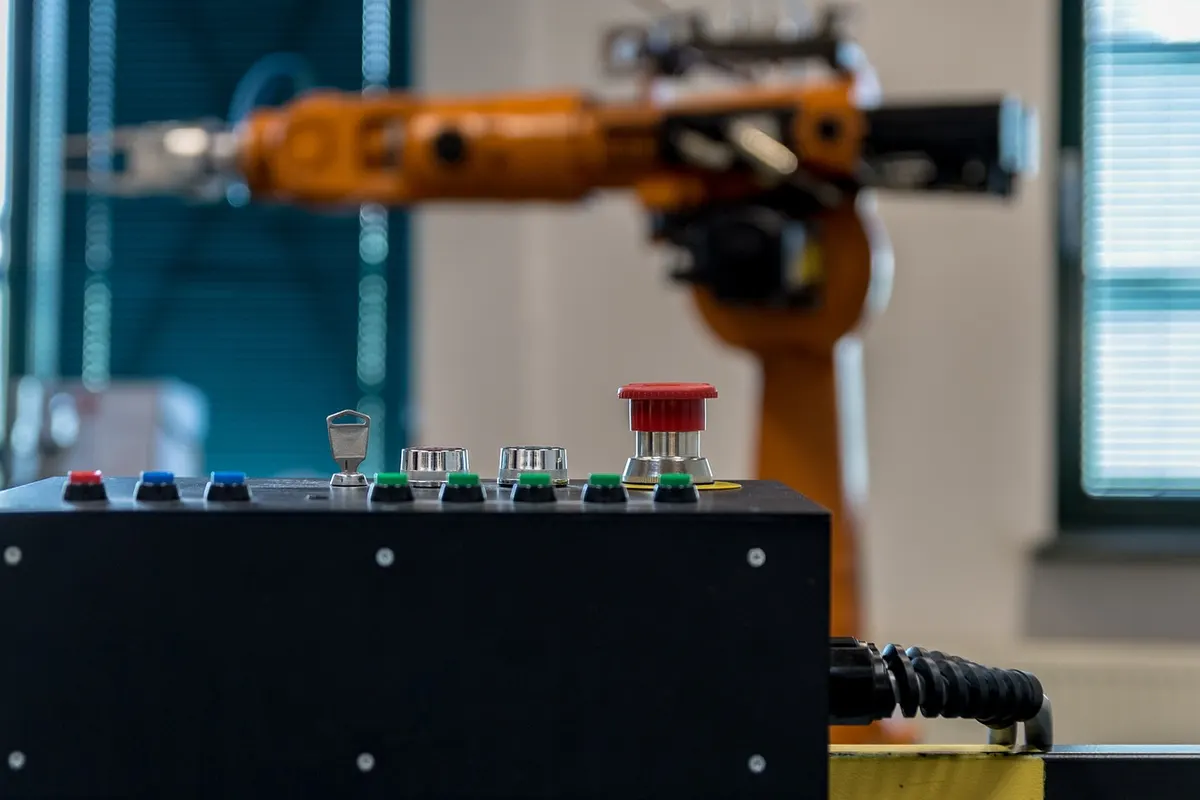
Design, build and install control panels and small robot cells that automate tasks for local manufacturers and businesses.
- A$25k-100k
- Full-time
- Own premises
- Licence or permit needed
Estimates for a small start in Australia, not guarantees.
What it is
A small workshop or unit where you design, build and test control panels, conveyors and simple robot cells, then install them at the customer's site.
Your first three steps
- Choose a niche, such as packaging, palletising or machine tending, and talk to local manufacturers about their pain points
- Line up a licensed electrician and a mechanical fabricator, or get the right licences yourself
- Quote a small pilot project and use it as a case study to win the next job
Who pays
Small and mid-sized manufacturers, food producers, warehouses and workshops wanting to cut repetitive manual work.
How it makes money
Fixed-price project quotes covering design, parts and labour, plus paid servicing, upgrades and support after installation.
Skills that help
- Control systems and robot programming
- Electrical design and panel building
- Project quoting and management
- Selling to factory owners and managers
Watch out for
- Electrical work and panel building generally need a state electrical licence, so check your state's licensing body
- Public liability, professional indemnity and product liability insurance
- Machine safety standards (such as the AS 4024 series) and risk assessments before handover
- Cash flow, as parts costs are paid upfront and customers may pay in stages
- Workers compensation insurance once you hire, and council zoning for your workshop
🔒 Full research report for Australia
Real cost breakdown with current prices, licences and registration checklist, local competition, pricing, break-even and a 30-day launch plan, with sources.
Coming soonQuestions people ask
How much does it cost to start an automation integrator business in Australia?
Startup costs are typically around $25,000 to $100,000, depending on your workshop, test equipment and the parts and software you buy. These are estimates, and parts are paid upfront, so plan your cash flow.
How much can a small automation integrator earn?
Monthly revenue is typically around $10,000 to $50,000, depending on project size, how many customers you have and how they pay. Customers may pay in stages, and it is a full-time business, typically from about 35 hours a week.
Do I need a licence to build control panels and robot cells in Australia?
Electrical work and panel building generally need a state electrical licence, so check your state's licensing body. Also check machine safety standards such as the AS 4024 series, risk assessments before handover, insurance, workers compensation once you hire, and council zoning for your workshop.
Other ways to run this business
Similar tech services ideas
Fibre optic trade counter and local delivery
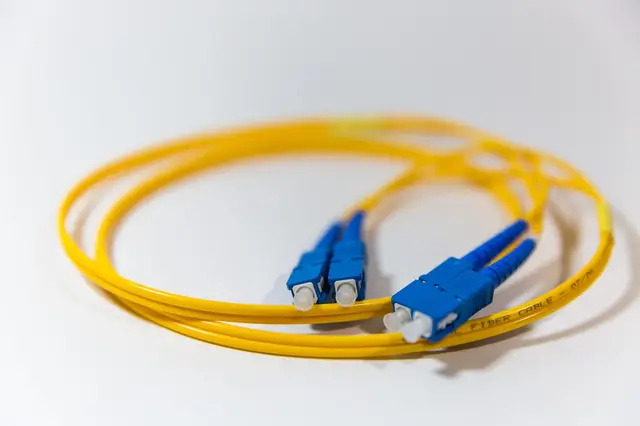
Run a small trade counter stocking fibre cable, connectors and tools so local installers can pick up same day.
- A$30k-120k
- Full-time
- Own premises

Local telecom equipment trade supplier
Stock phones, routers and cabling from a small unit for local installers and offices to collect same day.
- A$20k-80k
- Full-time
- Own premises

Cabling subcontractor for builders and developers
Run a small crew that cables new apartments, offices and estates for builders and developers.
- A$45k-130k
- Full-time
- Out and about

Ink refill and printer supplies shop
Run a small shopfront refilling cartridges and selling ink and toner to locals and nearby offices.
- A$15k-70k
- Full-time
- Own premises

AV supplier for venues and businesses
Supply, hire and set up screens, sound and conferencing gear for venues, offices and corporate events from a small unit.
- A$15k-70k
- Full-time
- Own premises
Data recovery workshop with clean bench
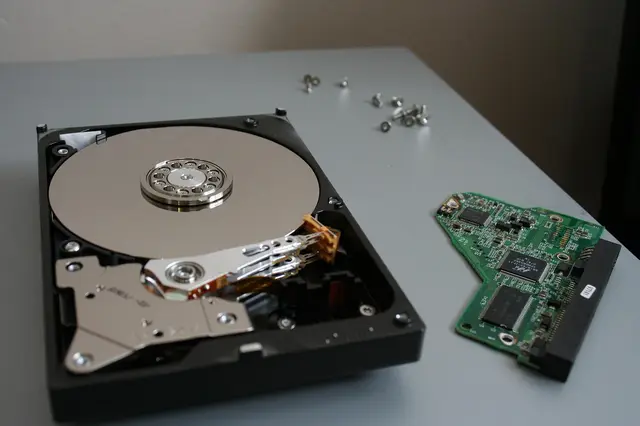
Run a small lab that recovers data from physically damaged drives, phones and servers for local people and businesses.
- A$15k-60k
- Full-time
- Own premises
Photo: jarmoluk on Pixabay