Income protection adviser (home-based)
Help self-employed people and families protect their income if illness or injury stops them working, backed by a regulated network.

- £1.5k-6k
- Side hustle
- From home
- Licence or permit needed
Estimates for a small start in the UK, not guarantees.
Official data
8,071 UK companies in this field, 19% registered in the last 2 years
SIC 66220 “Activities of insurance agents and brokers”. Source: Companies House, November 2026.
What it is
You advise clients on income protection policies, compare options from insurers and handle the application. Most newcomers work as an appointed representative of an FCA-authorised network, which supplies compliance support, so you don't need your own authorisation.
Your first three steps
- Research networks that take on protection advisers and compare their fees, commission splits and support
- Check which qualifications your chosen network requires and book the exams
- Pick a niche, such as self-employed tradespeople, and introduce yourself to local accountants, mortgage brokers and trade groups
Who pays
Insurers pay you commission when a policy starts. Some advisers also charge clients a fee, depending on how they set up their service. Typical clients are the self-employed, tradespeople, contractors and families with a mortgage.
How it makes money
Initial and ongoing commission on policies you arrange, shared with your network. Fees for advice are possible too, if your network allows them. Income builds slowly as policies and renewals accumulate.
Skills that help
- Explaining complex products in plain language
- Patience and careful record keeping
- Building trust and finding clients through local contacts
- Willingness to study for industry qualifications
Watch out for
- Giving advice on insurance is regulated by the FCA, so check you are authorised or appointed by an authorised firm before advising anyone
- Network fees, compliance charges and who owns the client relationship, so read the agreement carefully
- Commission can be clawed back if a client cancels early, so check the terms
- Data protection duties, including registering with the ICO if required
- Income can take months to build, so plan your finances
Deep research report · UK
Everything you need to start: income protection adviser (home-based)
Researched with live web search for United Kingdom: real startup prices, the licences and rules, what others charge, a break-even example, how to find your first customers and a 30-day launch plan. With sources.
- Startup costs with real prices
- Licences, registration and rules
- Pricing: what others charge
- Break-even example
- Finding your first customers
- 30-day launch plan
- Risks and how to reduce them
Questions people ask
How much does it cost to start as an income protection adviser?
Startup costs are estimated at typically around £1,500 to £6,000, depending on your network's fees, qualifications and equipment. Check the network's fees, compliance charges and who owns the client relationship in the agreement before you commit any money.
How much can an income protection adviser earn?
Monthly revenue is estimated at typically around £800 to £5,000, depending on how many clients you win and whether you charge fees. Income can take months to build, and commission can be clawed back if a client cancels early, so plan your finances.
Do I need FCA authorisation to advise on income protection?
Advice on insurance is regulated by the FCA, so check you are authorised or appointed by an authorised firm before advising anyone. Also check your data protection duties, including whether you need to register with the ICO.
Other ways to run this business
Similar business services ideas

Water filter supply and replacement service
Supply and swap filters at offices, cafes and commercial kitchens on a regular service visit.
- £1.5k-6k
- Part-time
- Out and about
Coffin supplier to funeral directors
Source coffins and caskets from makers and supply small funeral directors, with fast delivery.
- £1k-6k
- Side hustle
- From home

Business finance broker
Help small firms find business loans, asset finance and cash flow funding, paid by commission or fee.
- £1k-6k
- Part-time
- From home

Independent local business broker
Help owners of small local firms sell up, find buyers and earn a commission when the sale completes.
- £1.5k-6k
- Part-time
- From home

Home-based lettings agent for landlords
Find tenants, run viewings and handle paperwork for local landlords, working from home and on the road.
- £1.5k-6k
- Side hustle
- From home
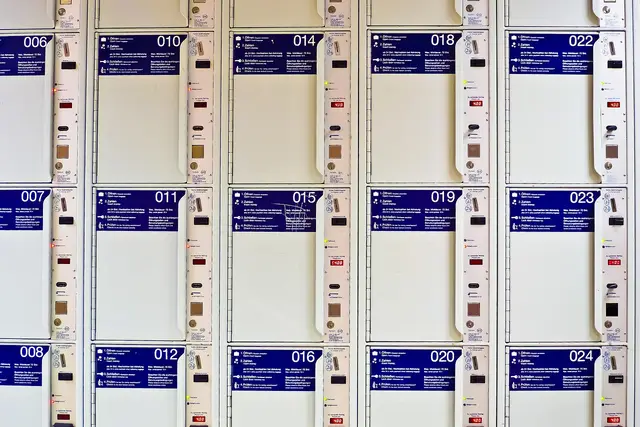
Coin-operated lockers in local venues
Place pay-to-use storage lockers in venues like pools, gyms or attractions and share the takings with the owner.
- £1k-6k
- Side hustle
- Out and about