Feeder calf and stocker trader
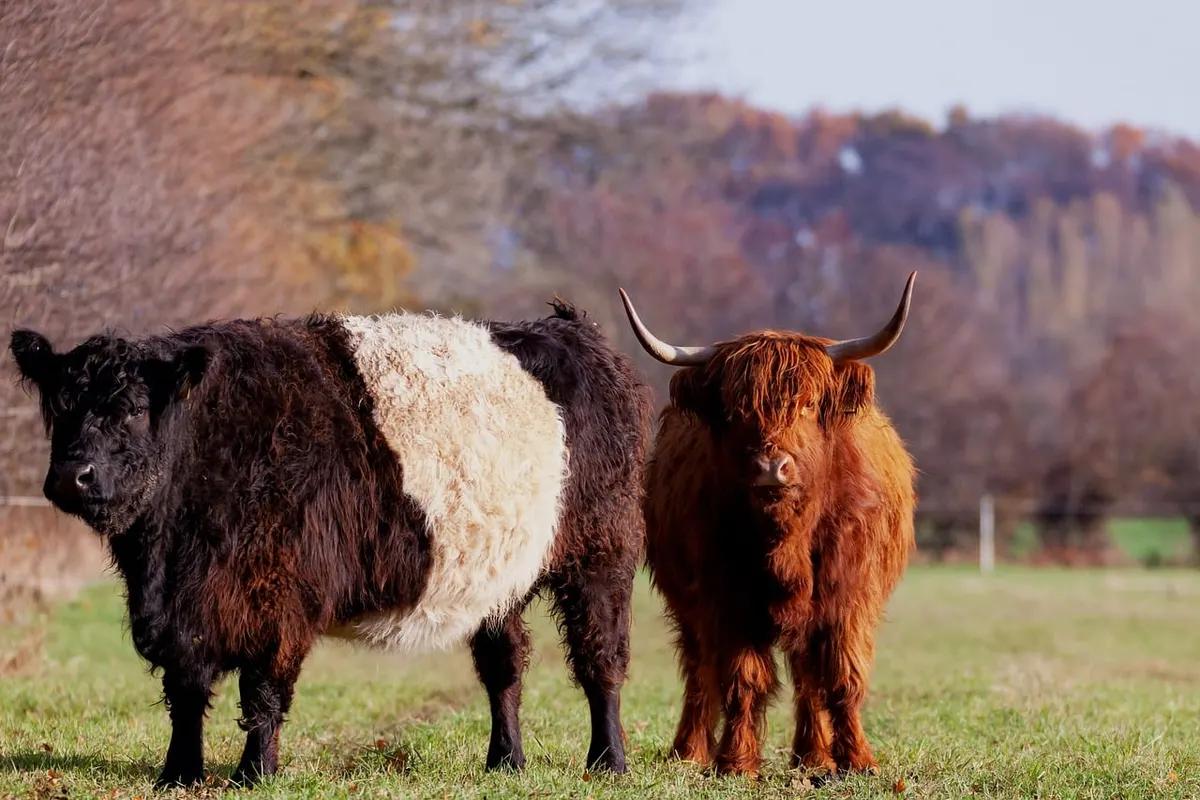
Buy calves at local sales or from farms and resell them to ranchers and feedlots for a margin.
- $40k-200k
- Side hustle
- Out and about
- Licence or permit needed
Estimates for a small start in the US, not guarantees.
Official data
573 US businesses with employees in this field, -9.5% in a year
NAICS 424520 “Livestock merchant wholesalers”. Source: U.S. Census Bureau, County Business Patterns 2023.
What it is
You buy young cattle from sale barns or directly from farms, then resell them to backgrounders, grass-fed operators or feedlots. You usually hold them for days or a few weeks, either on rented pasture or by arranging direct delivery. A hired hauler can handle transport.
Your first three steps
- Spend a few weeks at your local sale barn watching prices, and talk to dealers and order buyers about how they work
- Check with your state department of agriculture and the USDA Packers and Stockyards Division about dealer registration, bonding and licensing
- Line up a reliable hauler, a vet, and short-term pasture or pen space, then start with a small load you can afford to lose on
Who pays
Cattle ranchers, stocker operators, feedlots and neighboring farmers looking for animals to buy.
How it makes money
You earn the margin between your purchase price (plus hauling, feed, vet and sale-barn fees) and your sale price. Margins swing with the cattle market, so careful buying matters. Most of your startup money is working capital to buy the cattle, which is tied up until they sell.
Skills that help
- Judging cattle condition, weight and health
- Negotiating and reading local prices
- Basic animal handling
- Record keeping and cash flow planning
Watch out for
- Dealer licensing and bonding: check your state's livestock dealer rules and whether federal registration applies to your volume
- Price risk: animals can sell for less than you paid, so start with money you can afford to lose
- Animal health and disease: check health certificate, brand inspection and identification rules for moving cattle across state lines
- General liability and livestock or cargo insurance, plus hauling safety and any commercial driver rules
- Slow-paying buyers: confirm how and when you'll get paid at every sale
Deep research report · US
Everything you need to start: feeder calf and stocker trader
Researched with live web search for United States: real startup prices, the licences and rules, what others charge, a break-even example, how to find your first customers and a 30-day launch plan. With sources.
- Startup costs with real prices
- Licences, registration and rules
- Pricing: what others charge
- Break-even example
- Finding your first customers
- 30-day launch plan
- Risks and how to reduce them
Questions people ask
How much does it cost to start trading feeder calves?
Estimates suggest startup costs typically around $40,000 to $200,000, depending on how many animals you buy, and whether you rent pasture or arrange direct delivery. Prices can fall below what you paid, so use money you can afford to lose.
How much can a feeder calf trader earn?
Monthly revenue is typically estimated at around $1,000 to $6,000, depending on how many animals you trade and your margin on each. The estimate assumes about 10 or more hours a week. Slow-paying buyers can affect cash flow.
What rules should I check before dealing in cattle?
Check your state's livestock dealer licensing and bonding rules, and whether federal registration applies at your volume. Also check health certificate, brand inspection and identification rules for crossing state lines, plus insurance and any hauling or commercial driver rules.
Other ways to run this business

Similar farming and garden ideas
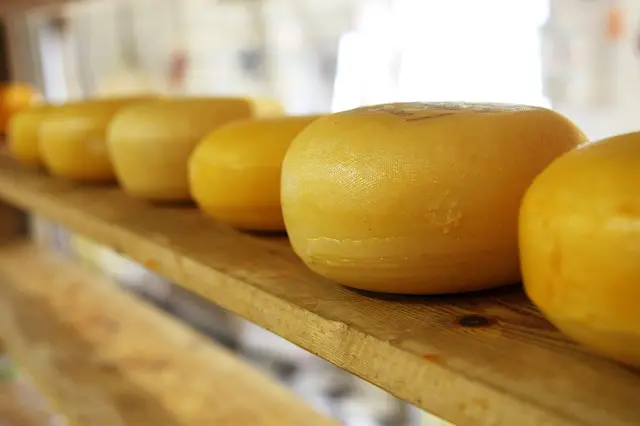
Micro-dairy with your own goats, sheep or cows
Keep a small herd and make milk, cheese or yogurt on your own land to sell directly to local customers.
- $40k-200k
- Full-time
- Own premises

Small farm and grower supply store
Open a local store selling fertilizer, crop protection and growing supplies to small farms, ranches and serious gardeners.
- $50k-200k
- Full-time
- Own premises
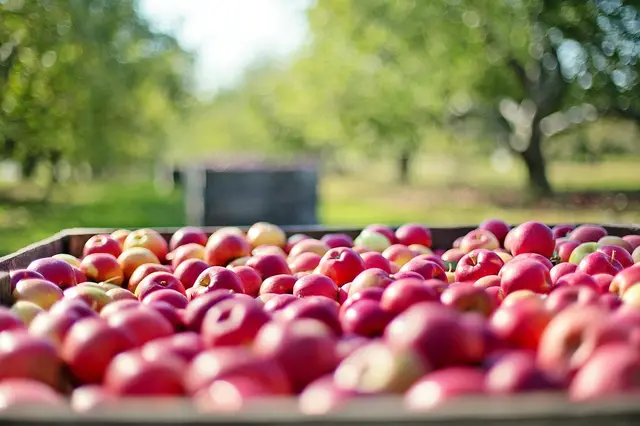
Regional produce wholesaler with cold storage
Buy from growers, store in a small cooler space and deliver weekly to restaurants, grocers and institutions.
- $80k-250k
- Full-time
- Own premises
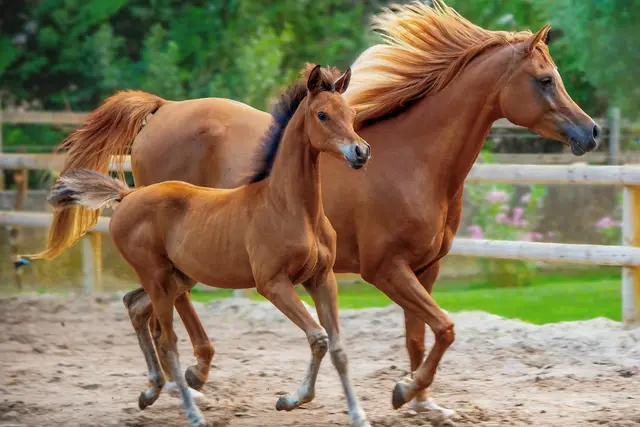
Breeding farm with foals and young horses
Run a small farm with several broodmares, selling foals and started young horses to riders, plus offering stud services.
- $40k-150k
- Full-time
- Own premises
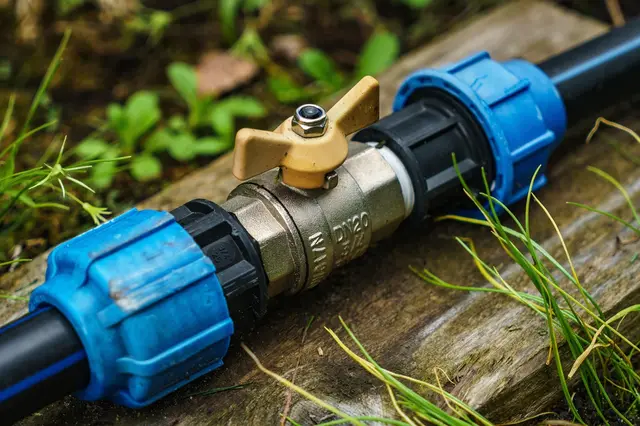
Local irrigation supply store
Run a small counter-and-yard supply shop stocking pipe, sprinklers and pumps for local landscapers, farmers and homeowners.
- $30k-150k
- Full-time
- Own premises
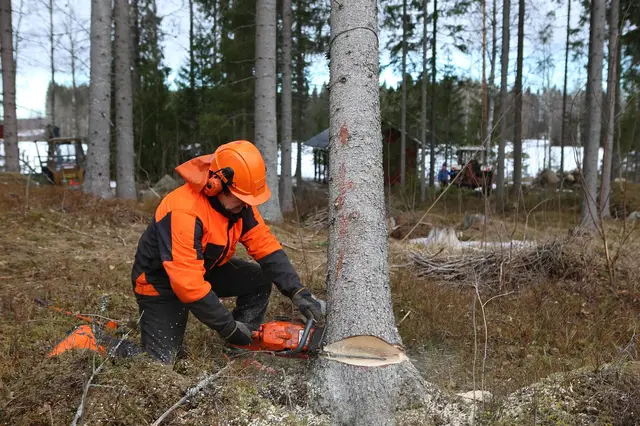
Forestry mulching and land clearing
Clear brush and small trees for landowners with a skid steer or tracked machine and a mulching head, leaving the wood as mulch.
- $60k-250k
- Part-time
- Out and about
Photo: Andhoj on Pixabay