Small farm and grower supply store
Open a local store selling fertilizer, crop protection and growing supplies to small farms, ranches and serious gardeners.

- $50k-200k
- Full-time
- Own premises
- Licence or permit needed
Estimates for a small start in the US, not guarantees.
Official data
9,322 US businesses with employees in this field, +3.1% in a year
NAICS 424910 “Farm supplies merchant wholesalers”. Source: U.S. Census Bureau, County Business Patterns 2023.
What it is
A small premises or warehouse unit stocking bagged and bulk fertilizer, lime, herbicides, insecticides, fungicides and related supplies. You advise customers on products and rates, and may offer local delivery.
Your first three steps
- Talk to local growers and your county extension office to find which products and services are missing nearby
- Contact regional distributors and manufacturers about dealer accounts and minimum order terms
- Check zoning and your state agriculture department for pesticide dealer, fertilizer and storage requirements before signing a lease
Who pays
Small and mid-size farms, ranches, hobby farms, nurseries, orchard and vegetable growers, and landscapers who prefer a local supplier.
How it makes money
Retail margin on products sold, plus delivery fees and sometimes spreader rental or soil testing referrals. Monthly revenue figures here are gross sales before product costs.
Skills that help
- Product and agronomy knowledge
- Inventory and purchasing
- Customer service and local networking
- Handling safe storage and paperwork
Watch out for
- State pesticide dealer licensing, and restricted use product rules, vary by state, so check with your state agriculture department
- Fertilizer licensing, labeling and bulk storage rules differ by state and county, and some products such as anhydrous ammonia carry extra requirements
- Zoning, fire code and environmental rules for storing chemicals, including spill containment
- General liability, product liability and property insurance, and workers' compensation once you hire
- Seasonal cash flow and inventory that may not sell, so check supplier credit terms and returns
Deep research report · US
Everything you need to start: small farm and grower supply store
Researched with live web search for United States: real startup prices, the licences and rules, what others charge, a break-even example, how to find your first customers and a 30-day launch plan. With sources.
- Startup costs with real prices
- Licences, registration and rules
- Pricing: what others charge
- Break-even example
- Finding your first customers
- 30-day launch plan
- Risks and how to reduce them
Questions people ask
How much does it cost to open a farm supply store?
Startup costs are typically around $50,000 to $200,000, depending on your premises, opening inventory, storage and insurance. These are estimates, so check supplier credit terms and returns before you commit.
How much revenue can a small farm supply store make?
Monthly revenue is typically around $10,000 to $50,000, depending on your location, product range and season. This is an estimate of sales, not profit, and cash flow can swing with the seasons.
What licences and rules should I check?
Check state pesticide dealer licensing and restricted use product rules with your state agriculture department. Also check fertilizer licensing and bulk storage rules, zoning, fire code and spill containment, and your insurance needs.
Other ways to run this business

Similar farming and garden ideas
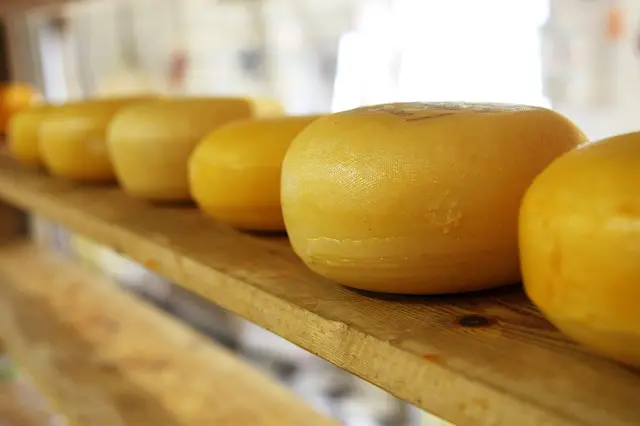
Micro-dairy with your own goats, sheep or cows
Keep a small herd and make milk, cheese or yogurt on your own land to sell directly to local customers.
- $40k-200k
- Full-time
- Own premises

Feeder calf and stocker trader
Buy calves at local sales or from farms and resell them to ranchers and feedlots for a margin.
- $40k-200k
- Side hustle
- Out and about
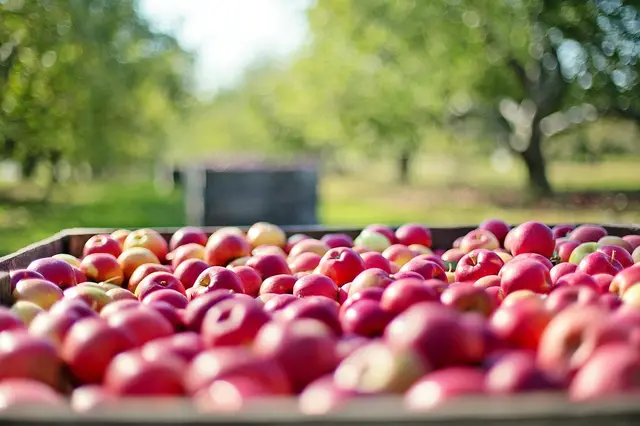
Regional produce wholesaler with cold storage
Buy from growers, store in a small cooler space and deliver weekly to restaurants, grocers and institutions.
- $80k-250k
- Full-time
- Own premises

Breeding farm with foals and young horses
Run a small farm with several broodmares, selling foals and started young horses to riders, plus offering stud services.
- $40k-150k
- Full-time
- Own premises
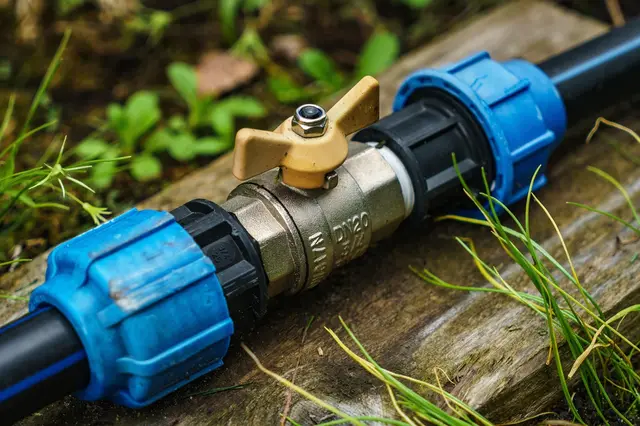
Local irrigation supply store
Run a small counter-and-yard supply shop stocking pipe, sprinklers and pumps for local landscapers, farmers and homeowners.
- $30k-150k
- Full-time
- Own premises
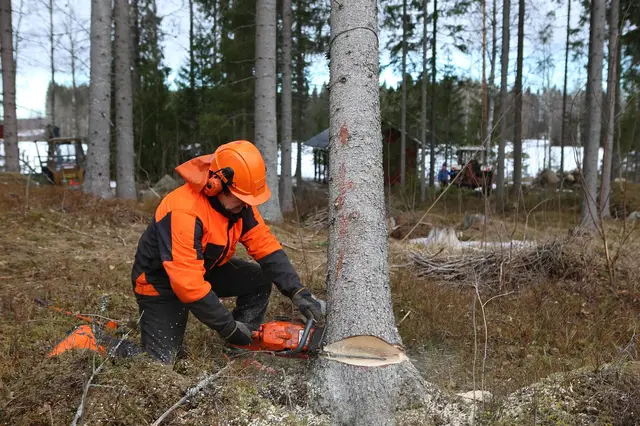
Forestry mulching and land clearing
Clear brush and small trees for landowners with a skid steer or tracked machine and a mulching head, leaving the wood as mulch.
- $60k-250k
- Part-time
- Out and about